
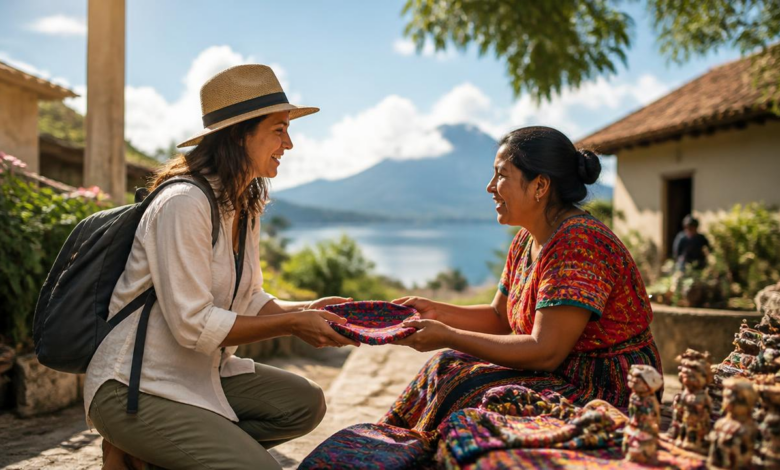
Ethical tourism is about making thoughtful choices that benefit the places you visit, rather than unintentionally causing harm. It’s not about being a perfect traveler, but about making better decisions, one at a time. This guide helps you discover how to enjoy authentic experiences while minimizing your travel impact.
Understanding Ethical Tourism
At its heart, ethical tourism asks a simple question: who truly benefits from your trip? Ideally, the answer should include local families, small businesses, cultural heritage, wildlife, and the environment. When travelers adopt this perspective, vacations become more meaningful, and destinations grow more resilient.
This approach is increasingly important today. Many popular destinations grapple with overtourism, delicate ecosystems face intense pressure, and often, local communities receive only a fraction of visitors’ spending. Ethical tourism helps rebalance this through more conscious travel habits.
The Core Principles
The concept of ethical tourism closely aligns with responsible travel and sustainable tourism practices. Travel should carefully consider its economic, social, and environmental impacts. In essence, it means traveling in a way that shows deep respect for people, places, and future generations.
Distinguishing Ethical, Responsible, and Sustainable Travel
A helpful distinction is to see sustainable tourism as the overarching goal, responsible travel as the specific behaviors, and ethical tourism as the underlying mindset driving these choices. You don’t need to stay in a perfect eco-lodge or a remote village for your trip to count. Awareness, respect, and consistent action are key.
This means ethical travel is not limited to a specific type of traveler. Families, backpackers, luxury tourists, digital nomads, and first-time visitors can all make responsible decisions. The crucial shift is choosing convenience less often, especially when it clearly causes harm.
Planning Your Journey Responsibly
Ethical tourism truly begins before you even leave home. If your itinerary is rushed, transport choices are vague, or local customs are unresearched, it becomes much harder to travel responsibly. Thoughtful planning is incredibly important for a positive impact.
Early Research and Smart Choices
For a strong planning foundation, consider how to organize transport, lodging, timing, and daily logistics. Early planning allows you more opportunities to select ethical operators rather than resorting to last-minute convenient, but less responsible, options.
When researching tours and hotels, look beyond appealing marketing terms like “green” or “authentic.” Seek concrete details: Do they employ local staff? How do they minimize water and energy waste? Are they involved in community projects? Do they limit wildlife disturbance? Vague responses can be a warning sign. The Global Sustainable Tourism Council offers criteria to help identify stronger sustainable choices.
Pack Light, Travel Smart
Packing is also part of an ethical approach. Lighter luggage might slightly reduce fuel use, but the greater benefit comes from cutting waste during your trip. Bring a reusable water bottle, a shopping bag, and toiletries that avoid unnecessary plastic.
Simple preparation also prevents hurried, wasteful purchases upon arrival. A forgotten item can lead to stress and less ethical decisions. Planning helps you travel lighter and smarter, reducing potential environmental impact.
Embrace Local Language and Customs
One of the easiest ways to show respect for local culture is by arriving with some basic knowledge. Learn essential phrases like “hello,” “thank you,” and “excuse me.” Read about appropriate dress codes, sacred spaces, mealtime traditions, and photography etiquette before your visit.
This isn’t about memorizing extensive rules, but about showing that you value the local culture as more than just a backdrop for your vacation. For practical guidance, exploring resources like those on Japanese Etiquette for First-Time Visitors can greatly enhance respectful interactions.
Conscious Decisions During Your Trip
Once your journey begins, ethical tourism unfolds as a series of daily choices. Where will you eat? Who will you book services with? How will you get around? What will you share online? Each decision contributes significantly to your travel impact.
A useful guiding principle is to constantly ask: Does this action truly benefit the destination, or is it primarily for my convenience? Responsible travel often requires slowing down enough to genuinely consider the answer.
Prioritizing Local Businesses
One of the most effective ways to support local communities is by spending your money where it remains within the destination. Choose family-run guesthouses, neighborhood cafés, local guides, farmers’ markets, and independent shops whenever possible.
Tourism money often “leaks” out through international chains, imported goods, or foreign ownership. In contrast, buying directly from locals can help fund education, rent, farm production, workshop supplies, and create jobs within the community.
Consider eating at a local restaurant; it can support multiple people, from cooks and servers to local fishers, growers, and delivery workers. Similarly, purchasing handmade crafts directly from artisans rather than mass-produced souvenirs imported from elsewhere makes a significant difference.
This doesn’t mean all chains are inherently bad. Sometimes they are the only practical option. Ethical tourism is about choosing local when a fair and safe alternative exists, not about guilt.
Fair Bargaining and Respectful Interactions
In many places, bargaining is a cultural norm. However, fair trade tourism involves understanding the context. Politely negotiating can be part of the experience, but aggressively pressuring someone to lower a small price for an item representing hours of labor is different.
Ask yourself what you would willingly pay at home for similar handmade work. If the price seems modest already, paying fairly is often the more responsible choice. The focus should be on valuing skill, time, and tradition, rather than simply “winning” a negotiation.
Honoring Culture and Sacred Spaces
Ethical tourism also means recognizing and respecting boundaries. Dress appropriately when visiting temples, mosques, churches, and rural communities. Adhere to rules regarding footwear, noise levels, photography, and physical behavior. If a place holds deep significance for residents, treat it with reverence, even if it appears “touristy” to you.
Food customs are also important. What might seem casual to a visitor can carry profound local meaning. Engaging with local culinary traditions with respect can be a rewarding part of cultural immersion.
Minimizing Your Environmental Impact
Environmental responsibility is a fundamental aspect of ethical travel. While a zero-impact trip is practically impossible, you can significantly reduce harm through practical actions.
Opt for trains, buses, ferries, metro systems, or shared transfers when they are reasonable options. Walk or cycle for short distances. Reuse towels unless laundry is truly needed. Turn off air-conditioning and lights when leaving your room. Refill bottles where safe instead of constantly buying single-use plastics.
For outdoor adventures, adhere to Leave No Trace principles. Stay on designated paths, refrain from removing natural objects, avoid feeding animals, and always pack out your waste. Popular natural areas can quickly degrade when treated carelessly.
Ethical Wildlife Encounters
If an attraction permits hugging, riding, bathing, petting, or using wildlife for entertainment, pause and question its ethics. Responsible wildlife encounters typically involve distance, patience, and minimal intervention. If an animal cannot easily retreat, it is often a concerning indicator.
The World Animal Protection guidance on wildlife entertainment offers valuable insights. Ethical wildlife tourism always prioritizes the animal’s welfare over a tourist’s desire for a close photo opportunity. A good operator will explain group limits, viewing distances, feeding restrictions, and conservation goals. Conversely, a less ethical operator often promises guaranteed close contact. In ethical tourism, the absence of a spectacle is often a sign of a thoughtful choice.
Extending Your Impact Beyond the Trip
Responsible travel doesn’t simply conclude at the airport. What you choose to share afterward can either guide future travelers toward better choices or inadvertently promote harmful behaviors.
Sharing Responsibly Online
When sharing experiences online, avoid geotagging fragile locations already under pressure, unless local management actively encourages visits. Instead, highlight the local businesses you appreciated, especially guides, community lodges, and artisans. Positive word-of-mouth can direct meaningful income to the right people.
Leaving Thoughtful Reviews and Support
Consider leaving detailed reviews. Beyond simply stating a place was “beautiful,” mention specific responsible practices: local hiring, refill stations, respectful guiding, fair pricing, or cultural education. This helps other travelers identify genuinely ethical options and avoid superficial “greenwashing.”
Some travelers choose to donate, purchase items from artisans online, or support conservation groups after returning home. These actions, though seemingly small, strengthen the connection between travel and long-term community benefit.
The Positive Difference of Local Support
When travelers spend with intention, the benefits are tangible. Local guides earn income from their existing knowledge. Family-run accommodations can employ staff, source supplies locally, and keep profits within the area. Traditional crafts become economically viable, preventing their decline.
This is a key reason why community-based tourism is vital. When residents help shape tourism, they gain greater control over what is shared, the pace of tourism growth, and who ultimately benefits. This approach supports cultural preservation rather than cultural erosion.
There’s also a significant social benefit for travelers. Trips often feel richer and more profound when you connect with the people behind the destination. A meal becomes more memorable when you know who cultivated the ingredients. A walking tour gains deeper meaning when the guide explains how tourism has influenced their neighborhood.
Cultural heritage, including traditions, rituals, crafts, and local knowledge, are living systems. Ethical tourism helps create conditions where these systems can continue to thrive with dignity.
Addressing Common Ethical Travel Misconceptions
Is Ethical Travel Always More Expensive?
Not necessarily. While some eco-certified hotels might have higher prices, many responsible choices are quite budget-friendly. Utilizing public transport, enjoying local food, using refillable bottles, taking walking tours, and staying in guesthouses can reduce costs while also lowering your impact.
In many destinations, the least wasteful option is also the most affordable. For example, street food can support small vendors and offer authentic experiences at a lower price than tourist-oriented restaurants, provided you choose carefully and respectfully.
Does Ethical Travel Mean Sacrificing Comfort?
No, ethical tourism does not demand discomfort. It simply encourages you to consider how your comfort is achieved. A beautiful hotel can still be responsible if it fairly employs local staff, manages waste effectively, and avoids harming local ecosystems.
Comfort and ethics can indeed coexist on guided tours, in bustling cities, during family vacations, and even on luxury escapes. The essential question isn’t whether your trip feels comfortable, but rather if someone else bears a hidden cost for that comfort.
Navigating Greenwashing and Voluntourism
Identifying Genuine Efforts
One of the significant challenges in ethical tourism is distinguishing genuine efforts from clever marketing. If a company promotes “saving the community” but provides little transparency about wages, local ownership, leadership, or measurable practices, it’s wise to investigate further.
Caution with Voluntourism
Be especially cautious with voluntourism. Short-term projects involving children can unfortunately be harmful, potentially causing emotional disruption or turning communities into attractions. Experts often advise against “orphanage tourism” and volunteer models that prioritize the traveler’s experience over genuine local needs.
A better approach is to support organizations that are locally led, transparent about their outcomes, and focused on skills genuinely requested by the community. Sometimes, the most ethical choice isn’t to volunteer on-site at all, but to spend responsibly and contribute to trusted local groups.
Your Ethical Traveler Checklist
Before your next adventure, consider these questions:
- Did you research local customs and social norms?
- Are you prioritizing locally owned businesses whenever possible?
- Have you reduced single-use plastics and packed reusable items?
- Have you verified that wildlife experiences are non-exploitative?
- Are you paying fairly for local labor, food, and crafts?
- Does your itinerary minimize unnecessary transport and waste?
If you cannot answer “yes” to every point, that is perfectly fine. Ethical tourism is an ongoing practice, not a rigid purity test.
Conclusion: Small Actions, Big Change
Ethical tourism begins with a sense of humility. You are not just visiting a destination; you are entering someone else’s home, economy, ecosystem, and culture. Adopting this perspective profoundly changes the travel experience.
The good news is that responsible travel is built from small, realistic actions: choosing local over imported, respect over assumption, and genuine curiosity over simple convenience. These choices support local communities in ways that are practical, measurable, and often deeply rewarding for everyone involved. As you plan your next journey, consider not just where you want to go, but what kind of traveler you aspire to be when you arrive.