
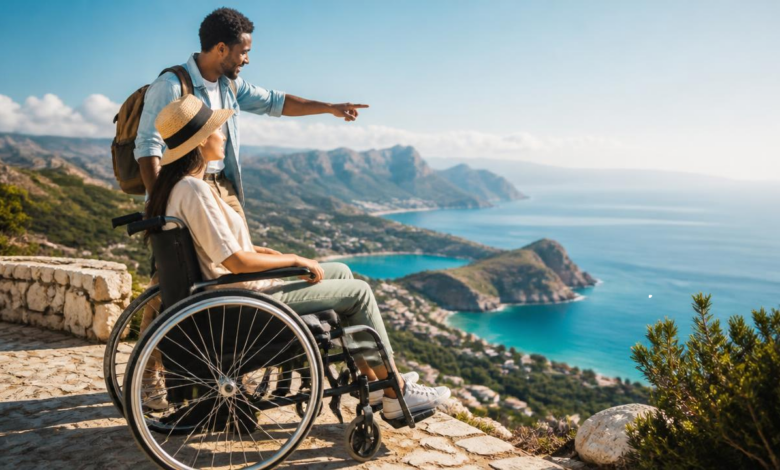
Inclusive travel is not a niche idea. It is good travel planning that recognizes different bodies, senses, communication styles, and support needs. The best accessible global travel guides help people prepare with clarity, reduce uncertainty, and open the door to more meaningful journeys.
For many travelers, the question is not whether adventure is possible. It is how to plan accessible adventures with reliable information, realistic expectations, and enough flexibility to handle surprises. From wheelchair accessible travel to sensory-friendly travel, thoughtful preparation can make the world far easier to navigate.
This guide brings together practical strategies for travel for people with disabilities, families, caregivers, and anyone building a more disability friendly travel experience. It focuses on planning, transportation, accommodation, rights, and tools that support confidence before and during a trip.
Accessible tourism tips matter because accessibility is rarely identical from one country, city, hotel, or attraction to another. Clear verification is essential, as details vary widely. Just as smart travelers review comfort before long flights, our guide to Mastering Long-Haul Flights can be useful for planning rest and transfers.
Planning Your Accessible Global Journey
Every successful inclusive travel plan begins with understanding your unique access profile. Start by listing your needs, preferences, and what would be helpful but optional. This could include ramp access, roll-in showers, captioned tours, refrigeration for medication, or low-sensory spaces.
Defining Your Travel Needs
An access profile helps immensely when comparing inclusive travel destinations. Instead of a broad search, you can ask specific questions. Does public transport offer level boarding? Are sidewalks continuous? Can museums provide tactile, audio, or sign-language support? Are pharmacies and clinics easily reachable?
Choosing Accessible Destinations: What to Look For
The most promising disability friendly travel destinations often share key traits. They openly publish accessibility information, invest in public infrastructure, and maintain reliable transport links. Cities with good pedestrian design, modern metro systems, and strong tourism portals simplify trip planning.
Always look for official tourism websites, airport accessibility pages, and attraction-specific access statements. High-quality destination information should detail entrances, elevators, restroom access, seating, hearing loops, quiet rooms, or wheelchair loan availability when relevant.
Do not solely rely on marketing phrases like “fully accessible.” Always ask follow-up questions. Request measurements, photos, and clear descriptions of routes. If you use mobility aids, confirm battery rules, storage procedures, and local repair options nearby.
Accessible Transportation Options: Air, Land, & Sea
Accessible transportation options vary widely, with each trip segment requiring separate review. For flights, verify assistance when booking, reconfirm before departure, and arrive early. If traveling with a wheelchair, document its condition before the flight.
Air Travel Considerations
International air travel rights and assistance standards can differ. However, official guidance offers context on how air transport systems approach accessibility and passenger support across various jurisdictions. Always check specific airline policies in advance.
Rail and Bus Travel Insights
Train travel can be excellent for inclusive journeys, especially when stations provide lifts, level boarding, and staff support. However, assistance may need advance booking in some places. Always verify station access at both departure and arrival points.
Buses are often less consistent. One operator might have ramps and securement systems, while another on the same route may not. Ask about boarding equipment, onboard restroom access for longer trips, and luggage handling, especially for medical devices.
Accessible Cruise Adventures
Accessible cruise travel suits travelers seeking unpack-once convenience. Yet, ship accessibility doesn’t guarantee every port excursion is accessible. Review tender policies, cabin layouts, transfer assistance, and whether shore tours can accommodate various needs like wheelchairs or service animals.
For travelers valuing independence, adapted vehicle rental is an option. Our article on Renting a Car Abroad offers a helpful starting point for understanding documents, road planning, and practical questions relevant to accessible road trips.
Finding Disability-Friendly Accommodation Worldwide
Accessible accommodation searches often fall short when relying solely on filters. Booking platforms are useful, but rarely tell the full story. The true test is whether the property can accurately and consistently explain specific room features.
Key Questions for Hotels
Ask about step-free entry, bed height, clear turning space, grab bars, shower type, toilet height, and emergency procedures. For blind or low-vision travelers, inquire about tactile markings, braille signage, lighting, and staff escort options.
For deaf or hard-of-hearing guests, confirm captioned television, visual door alerts, written communication options, and interpreter availability for hotel tours. Autistic travelers or those seeking sensory-friendly spaces should ask for quieter rooms away from busy areas.
Apartment rentals offer space and kitchen access, aiding travelers managing dietary restrictions, chronic illness, or support equipment. However, independent rentals may provide less standardized information than hotels. Request recent photos and a full route description from curb to sleeping area.
Navigating Travel Insurance for People with Disabilities
Disability travel insurance is a critical, yet often misunderstood, part of trip planning. Policies vary on pre-existing conditions, emergency evacuation, durable medical equipment, and trip interruption. Read the wording carefully, beyond just the summary page.
If you travel with chronic illness, ask about routine care exclusions abroad and necessary documentation for claims. If you use mobility devices, confirm coverage during transit, storage, or delay for your wheelchair, scooter, or medical equipment.
A useful habit is creating a compact insurance folder with policy numbers, claim contacts, prescriptions, physician letters, and equipment serial numbers. Keep both digital and paper copies. This saves time during stressful moments and supports faster cross-border communication.
Essential Tips for Seamless Inclusive Travel
Good accessible adventures balance structure with flexibility. Overplanning can be exhausting, while no plan increases stress. Aim for a daily rhythm that allows for rest, weather changes, slower transfers, and spontaneous discoveries.
One of the strongest disability travel tips is to minimize avoidable decision-making during the trip. Reserve critical services early, reconfirm key access needs closer to departure, and keep all confirmations accessible offline.
Packing & Preparing for Accessible Trips
Packing for accessible travel emphasizes resilience. Bring essentials difficult to quickly replace, especially medications, charging cables, repair tools, transfer aids, hearing device batteries, communication cards, and backup medical documents.
Your Accessible Travel Planning Checklist
A simple accessible travel planning checklist might include: medications in original packaging, a medical summary with prescriptions, emergency contacts, device chargers and adapters, an equipment repair kit, copies of bookings, snacks, hydration supplies, and comfort items for sensory regulation.
Travel with chronic illness often demands extra pacing. Build in recovery time after long flights, plan for climate effects, and identify nearby pharmacies or clinics in advance. If refrigeration is vital, confirm exact storage options with accommodation, avoiding assumptions about minibars.
Service animal travel guidelines require early attention. Requirements may involve vaccination records, import permits, health certificates, harness rules, relief areas, and airline-specific documentation. Rules change, so verify with the relevant embassy, airline, and border authority before departure.
Communication & Local Accessibility Etiquette
Effective communication is central to disability friendly travel. Prepare a concise statement explaining your support needs in plain language. This helps airport staff, hotel teams, drivers, or guides, especially where local terminology differs from home.
Translation apps are useful, but a printed access card can be more reliable in low-connectivity settings. Include details like needing a ramp, a chair removed, space for a service animal, or verbal rather than gestural directions.
Understanding local non-verbal habits reduces confusion during assistance requests. Respectful accessibility etiquette begins with consent. Staff training varies, so calm, specific instructions often work better than broad requests like “I need accessibility.” Clear communication fosters smoother interactions.
Technology & Apps for Accessible Travel
Technology has become a powerful enabler of inclusive travel. Navigation apps, captioning tools, translation features, currency converters, medication reminders, and offline maps can all reduce friction and increase independence.
For wheelchair accessible travel, mapping tools with user reviews may reveal slopes, curb cuts, elevator outages, and step-free entrances. Blind travelers benefit from wayfinding apps and audio description. Deaf travelers can use speech-to-text apps for quick interactions.
Technology works best when layered. Use one app for navigation, another for language, and another for health documents, keeping backups. Power banks, universal adapters, and offline downloads are as crucial as the apps themselves.
Top Accessible Global Destinations (Examples & Case Studies)
No destination is perfectly accessible for every traveler. However, some places simplify inclusive travel through better infrastructure, stronger information, and a culture of planning for diverse needs. The key is matching the destination to your specific priorities.
Accessible Cities: Paris, Kyoto, Sydney & More
Large global cities often provide the best mix of accessible transport, healthcare, and diverse accommodations. Paris, while challenging in older historic areas, offers workable itineraries with newer museums, major avenues, and adapted taxis.
Kyoto provides rich cultural experiences, with Japan’s transport systems often praised for organization. However, temple routes, traditional inns, and older streets vary greatly. Travelers benefit from choosing a focused route rather than trying to see everything.
Sydney excels with waterfront paths, beach accessibility initiatives, and strong public awareness. Its strengths include outdoor access and modern facilities, though hilly terrain can still influence daily planning. Always consider the local geography.
Nature & Adventure: Accessible National Parks & Trails
Accessible adventures extend beyond city breaks. Parks and natural areas globally are improving trail surfaces, viewpoints, accessible shuttles, beach wheelchairs, adaptive equipment, and barrier-reduced visitor centers.
When evaluating nature travel, ask detailed questions: Is the trail hard-packed or loose gravel? How steep is it? Are there benches or shade? Is an accessible restroom at the trailhead? Can staff describe seasonal conditions affecting mobility?
Adaptive sports travel is also expanding. Destinations now offer sit-ski programs, adaptive kayaking, accessible diving, and cycling options in some regions. These experiences typically require advance booking, trained operators, and honest discussion about support and safety.
Cultural Experiences: Accessible Museums & Heritage Sites
Museums, theaters, and heritage attractions increasingly embrace universal design in tourism. This includes tactile models, step-free routes, audio description, captioned media, sign-language tours, and quiet visiting hours.
Historic sites pose a unique challenge as preservation rules can limit physical changes. Yet, creative access can exist through virtual interpretation, alternative entrances, transport support, and staff-led accommodation. Inquire not just if a site is accessible, but how.
Food is often a major part of cultural travel, and accessibility overlaps with dietary planning. Travelers managing health conditions or allergies may appreciate our guide to navigating food allergies abroad when designing safer, more enjoyable itineraries.
Resources & Tools for Accessible Travelers
Reliable information is one of the most valuable travel tools. Accessibility can change quickly due to renovations or staffing. The best sources combine official pages with recent traveler feedback for current details.
Organizations & Communities Supporting Inclusive Travel
Disability advocacy groups, online communities, and specialized travel advisors fill gaps left by mainstream booking systems. Community spaces often provide practical details that official listings miss, like elevator reliability or real bathroom doorway widths.
If joining online groups, compare advice from several members. Accessibility is personal; one traveler’s “easy” route might be challenging for another. The more specific the report, the more useful it becomes for your planning.
Accessible Travel Blogs & Guides
Specialized blogs and destination guides become powerful planning partners when they explain their methodology. Strong guides specify when the trip happened, the traveler’s profile, and which access features were personally verified, not just copied from brochures.
Look for writers who describe trade-offs honestly. A trustworthy guide explains both accessible features and limitations, such as cobblestones, narrow elevators, or long boarding times. Balanced reporting helps set realistic expectations for your journey.
Essential Gear & Equipment for Accessible Adventures
The best gear is traveler-specific, but some categories are consistently useful: portable chargers, weather protection, transfer supports, medication organizers, pressure-relief items, hearing support accessories, and protective cases for essential equipment.
For mobility aids, bring tools and parts that are hard to replace abroad. This might include inner tubes, joystick covers, tie-down straps, cane tips, or charger adapters. Label equipment clearly and photograph it before departure.
Overcoming Challenges: Common Hurdles & Solutions
Even well-planned trips encounter obstacles. Elevators break, assistance requests get lost, or rooms don’t match descriptions. The goal of inclusive travel is not perfection, but preparation, problem-solving, and preserving joy when conditions change.
One practical strategy is to build a “Plan B” list before arrival. Include an alternate hotel, backup pharmacy, secondary accessible route, local taxi numbers, and nearby attractions with better access if the original plan fails.
When problems arise in transit, document everything. Take photos, save messages, write down names, and keep receipts. This is crucial if mobility devices are damaged or booked accessibility services are not provided. Calm records are effective.
Travelers should know that accessibility rights frameworks exist, though enforcement varies by country. The UN Convention on the Rights of Persons with Disabilities is an important reference for the principle that participation, access, and dignity matter in tourism.
Fatigue is another common hurdle, especially on ambitious itineraries. Many travelers enhance their experience by simply doing less each day. One museum and one neighborhood walk can create better memories than rushing through five attractions without rest.
Caregivers and travel companions also benefit from clear role planning. Decide in advance who handles documents, equipment checks, navigation, medication reminders, or communication with staff. Shared expectations reduce stress and make support smoother.
If you encounter inaccessible conditions, constructive feedback helps future travelers. Specific comments are more useful than general complaints. Mention doorway widths, curb cuts, caption availability, transfer times, or how staff responded to issues.
Building a More Inclusive Future Through Travel
Accessible adventures do more than help one person reach a destination. They encourage the travel industry to adopt better design, clearer communication, and realistic service standards. Inclusive travel benefits parents with strollers, older adults, and anyone valuing humane spaces.
For travelers, the path forward involves careful planning, direct verification, and openness to adapted experiences. For destinations and businesses, the responsibility is to provide honest information and invest in access that truly works in practice, not just marketing.
The most useful accessible global travel guides do not promise a frictionless world. They offer practical tools, respectful language, and confidence rooted in preparation. This turns uncertainty into movement and planning into possibility for everyone.
Whether preparing your first international trip or refining a familiar process, start with one realistic itinerary, one clear access checklist, and one well-researched destination. Accessible adventures grow from there, making the world more open.
If this guide helped you, share it with your travel partner, caregiver, or planning group. Keep exploring more resources across Happy Day Turismo to build journeys that are better informed, more inclusive, and truly worth taking.