
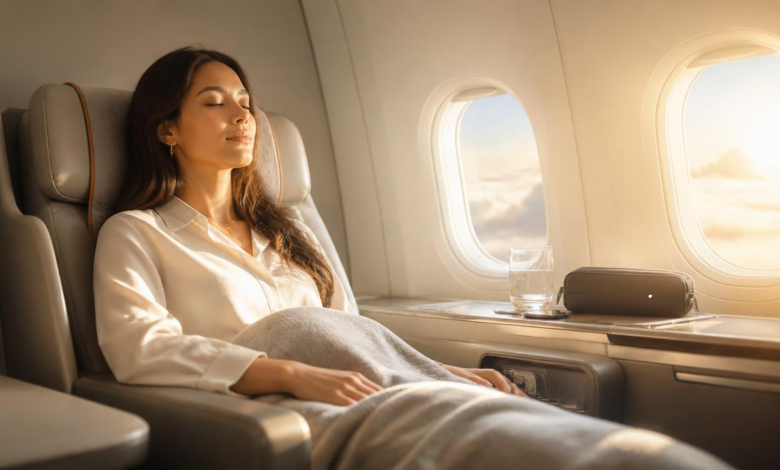
Long-haul flights can often feel like a journey in themselves, challenging even the most seasoned travelers. Hours spent in a confined space, interrupted sleep, and the confusion of time zones can lead to fatigue. However, many discomforts are manageable with a few strategic adjustments before, during, and after your departure.
This guide offers practical advice for those seeking more energy, better sleep, and smoother arrivals. Whether you are embarking on your first intercontinental trip or refining familiar routes, these insights can help you travel more comfortably and recover faster. A solid planning sequence can prevent common mistakes before your flight even begins. For initial trip organization, consider reviewing how to plan a trip effectively.
Mastering Your Long-Haul Journey
Preparing for Takeoff: Pre-Flight Comfort
Your comfort on a long flight often starts long before you reach the airport gate. What you wear, what you pack, and how rested you are will significantly influence your experience over the next 10 to 16 hours. Thoughtful preparation can make a considerable difference.
Choose soft, breathable clothing that allows for easy movement. Layers are ideal, as cabin temperatures can fluctuate throughout the flight. A light sweatshirt, loose pants, and comfortable socks are often better choices than restrictive jeans or tight waistbands, promoting overall relaxation.
One of the best ways to enhance comfort is by assembling a small personal kit. Include a neck pillow, eye mask, lip balm, moisturizer, tissues, and a toothbrush.
These items can make economy class feel much more pleasant. If noise is an issue, noise-cancelling headphones are a worthwhile investment for peace.
Efficient packing is also crucial. Ensure your essential items are easily accessible without constantly opening overhead bins. This approach saves effort and reduces disruptions. Planning your carry-on contents carefully means you have what you need when you need it.
Enhancing Your Flight: In-Air Relaxation
Achieving quality sleep on a long-haul flight goes beyond simply closing your eyes. Effective sleep requires minimizing light, noise, pressure points, and interruptions. Creating an optimal sleep environment in the air is key to feeling refreshed upon arrival.
A supportive travel pillow helps prevent your neck from slumping, which can lead to frequent awakenings. An eye mask signals to your body that it’s time to rest, especially on daytime flights. Headphones or earplugs effectively block out cabin chatter, meal service noise, and other distractions.
Entertainment plays a role in comfort. Download movies, podcasts, music, and offline maps before you leave home. In-flight entertainment systems can sometimes be unreliable. Having your own content ensures you control when to relax and when to stay awake for time zone adjustment.
Strategic seat selection can also improve your flight. Window seats are beneficial if you plan to sleep, as you can lean against the wall and avoid disturbances. Aisle seats are better for those who prioritize stretching, frequent bathroom breaks, or easier movement during long flight durations.
Staying Healthy: Movement and Hydration
Many travelers prioritize sleep but often overlook the importance of movement. Stiffness can build subtly on long routes, then become suddenly noticeable. Standing up and walking every two to three hours, when the seatbelt sign is off, can significantly improve comfort and circulation.
Simple in-seat exercises also help. Try ankle circles, heel raises, shoulder rolls, and gentle knee lifts. These small movements are highly effective. They support blood flow and may help reduce swelling that can occur during extended flights, keeping you more comfortable.
Compression socks are particularly useful for longer journeys. Health organizations like the CDC note that prolonged sitting can increase the risk of blood clots, including deep vein thrombosis. While not for everyone, they are a sensible option for many adults on extended flights.
Hydration on flights is more critical than many realize. Cabin air is exceptionally dry, and dehydration can worsen fatigue, headaches, and jet lag symptoms. Sip water regularly throughout your journey rather than waiting until you feel thirsty, and limit alcohol consumption for better rest.
Fueling Your Trip: Smart Eating and Drinking
Airplane meals can vary, often being heavy, salty, or served at inconvenient times. Bringing a few easy snacks provides greater control over your energy levels. Nuts, fruit, crackers, or a simple sandwich can help maintain steady energy without relying solely on the airline’s schedule.
Caffeine can be helpful, but timing is crucial. If it’s morning at your destination and you need to stay awake, coffee may assist. Conversely, if your goal is sleep, it works against you. Alcohol might initially induce drowsiness but often disrupts sleep later on.
One of the simplest strategies to survive long flights is to eat lightly and drink consistently. Aligning your meal timing with the local time of your destination helps your body begin adapting before you even land. This small shift can make a big difference.
Defeating Jet Lag: Adjusting to New Time Zones
Before You Fly: Proactive Measures
The best ways to prevent jet lag begin well before you board your flight. If you are crossing multiple time zones, gradually shifting your sleep and meal schedule by just one hour daily can significantly ease the shock to your internal body clock.
You do not need a perfect pre-trip routine; even minor adjustments are beneficial. Going to bed slightly earlier for eastbound travel or a little later for westbound travel can make your first day abroad feel considerably less disorienting and more manageable.
Avoid starting a long-haul journey already exhausted. Many travelers push through last-minute tasks, get insufficient sleep, and hope the flight will solve their fatigue. This rarely works. Beginning your trip well-rested is one of the most overlooked health tips for long-haul travel.
During the Flight: Adapting in the Air
Once you are on the plane, mentally switch to your destination’s local time. Adjust your watch or phone clock and use that as your guide for eating, sleeping, and screen time. This seemingly small mental shift helps structure the remainder of your flight.
If it is nighttime at your destination, create a sleep-friendly environment early on. Utilize your pillow, mask, and headphones before the cabin becomes noisy again. If it is daytime, try to stay awake, move around, and use light or entertainment to remain alert.
According to the Mayo Clinic, light exposure and sleep timing play a critical role in managing jet lag. Your choices during the flight are almost as important as your actions after arrival in helping your body adjust efficiently.
Upon Arrival: Smooth Recovery
The period immediately after landing is crucial, as many good plans can falter. If you arrive in the morning and head straight to bed, jet lag often lasts longer. Similarly, napping for several hours after an afternoon arrival can disrupt your first night’s sleep significantly.
The goal is not heroic endurance, but strategic recovery. If you absolutely need a nap, keep it brief. A 20 to 30-minute reset is generally more beneficial than a longer sleep that might push your body further out of sync with the new time zone.
Get outside as soon as it’s practical. Natural light is one of the most powerful tools to reduce jet lag symptoms. A short walk, a meal at the local time, and light activity can do more for adjustment than staying indoors and interacting with your phone.
Understanding Your Body Clock
Jet lag is more than just tiredness; it is a misalignment between your internal circadian rhythm and the local day-night cycle. This is why you might feel sleepy at midday, hungry at unusual hours, or wide awake in the early morning at your destination.
Travel eastbound often feels more challenging because you are trying to fall asleep earlier than your body is accustomed to. Westbound travel is typically easier, as staying up later tends to feel more natural. Knowing these patterns can help set realistic expectations for adjustment.
If considering melatonin, use it thoughtfully and ensure it aligns with your health needs. The Sleep Foundation offers helpful insights on timing and jet lag basics. While beneficial for some, it is not a substitute for proper light management and disciplined sleep habits.
Maximizing Stopovers: A Smart Travel Strategy
Why Stopovers Make Sense
Smart stopovers can transform an exhausting itinerary into a far more manageable experience. Instead of enduring one punishing travel day, you break up the journey, enjoy a real bed, and arrive at your final destination with significantly more energy and readiness.
This approach is particularly valuable on ultra-long routes or when traveling with children, older adults, or anyone who finds extended confinement physically taxing. Sometimes, investing a little more time can save a lot of fatigue and enhance the overall enjoyment of your trip.
A planned stopover can also provide an unexpected bonus destination. If your flight path naturally passes through a major international hub, you might be able to explore a new city for a day or two without drastically altering your original airfare. It’s a chance for a mini-adventure.
Choosing Your Ideal Stopover
The best stopover destinations offer easy entry procedures, simple navigation, and excellent connectivity to the airport. Consider the time it takes to travel to and from the city center, not just the city’s appeal. A glamorous stopover loses its value if you spend half your time stuck in traffic.
Look for major airline hubs with efficient public transit systems, convenient airport hotels, and attractions close to the city center. Cities like Doha, Istanbul, Singapore, Reykjavik, Dubai, and Lisbon are popular choices, as many airlines actively promote stopover tourism packages.
Before committing to a stopover, carefully review the entry requirements for your chosen destination. Visa requirements for stopovers vary significantly based on your nationality, passport type, and the planned duration of your stay. Some travelers can leave the airport freely, while others need advance approval.
Making the Most of Your Layover
If you have only six to eight hours for a layover, maintain realistic expectations. A short layover is often best utilized for showering, enjoying a good meal, stretching, and seeking out natural daylight rather than attempting a hurried, stressful city visit. Prioritize rejuvenation.
For layovers of 12 to 24 hours, a hotel conveniently located near fast transport links can be invaluable. You might comfortably manage a walk through a local neighborhood, enjoy one significant meal, and visit a few nearby sights without feeling rushed. The primary goal is refreshment, not sightseeing overload.
With 24 to 72 hours, plan your activities lightly. Select one or two priority experiences and ensure you leave ample time for rest and sleep. Travelers often ask what to do during a long layover, but the smartest answer is often “less than you think.” Recovery is part of the experience’s value.
Advanced Tips for a Smoother Journey
Optimizing Your Seat
Your seat choice is one of the few elements of a long-haul flight you can control in advance. Bulkhead seats may offer more legroom, but they sometimes come with fixed armrests and limited underseat storage. Exit rows can benefit taller travelers, though they might not recline fully, impacting sleep.
Avoid seats near lavatories if undisturbed sleep is a priority. These locations typically involve increased light, foot traffic, noise, and queues. Conversely, sitting close to the wing might reduce the sensation of turbulence for travelers who experience anxiety in the air, offering a calmer ride.
The Art of Carry-On Packing
A thoughtfully packed carry-on bag supports every aspect of mastering long flights. Keep medications, chargers, a pen, essential snacks, toiletries, and a change of underwear or a T-shirt within easy reach. These basics can save your first day if your checked luggage is delayed.
It’s also wise to review your liquids setup before airport security. Understanding carry-on versus checked bags for international itineraries can help you make the best packing decisions. As a general rule, pack for the first 24 hours after landing, not just for the flight itself.
This mindset leads to smarter choices and fewer “I wish I had packed that” moments once you arrive at your destination. Preparedness brings peace of mind, allowing you to enjoy your arrival without immediate stress over missing items.
Prioritizing Mental Well-being
Long-haul travel can be physically and mentally draining, especially with flight delays, crowded cabins, or tight connections. Travel anxiety often increases when travelers feel a loss of control. Focusing on strategies to manage this can significantly improve your journey.
Create a simple rhythm for the flight: watch something, hydrate, walk around, rest, and repeat. Breaking a 12-hour journey into smaller, manageable blocks makes it feel less overwhelming. This structured approach also gives your mind something concrete and positive to focus on.
Should delays or disruptions occur, return to these basics. Eat, hydrate, ensure your devices are charged, and confirm the next steps of your journey. Calm, established routines are underrated international travel tips, especially when navigating complex itineraries, helping you stay grounded.
Final Thoughts
Mastering long-haul flights is fundamentally about accumulating small advantages. Better clothing choices, consistent hydration, strategic seat selection, optimized timing, and smart stopovers all contribute to a smoother experience. You do not need to achieve perfection in every aspect to notice significant improvements.
Begin by addressing the challenges that impact you most. If sleeping on planes is your biggest hurdle, focus your efforts there. If post-arrival exhaustion often ruins your trip, develop stronger jet lag strategies. If an extra connection could prevent a grueling 16-hour flight, explore a smarter stopover option.
The journey itself is a vital part of the adventure. With a bit of mindful planning, long-distance flying can transform from something to merely endure into a manageable and even enjoyable segment of your overall travel experience, setting a positive tone for your destination.
Share your best long-haul flight hacks in the comments below! Ready for your next adventure? Explore our travel deals, and sign up for our newsletter for more expert travel tips.