
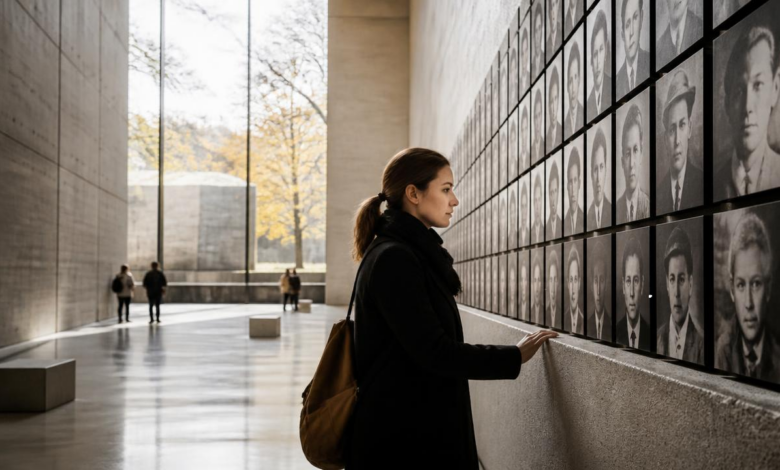
Dark tourism, though often challenging to define, offers profound opportunities for historical engagement. It moves beyond typical sightseeing, inviting visitors to places marked by tragedy, loss, and resilience. Approached with humility and respect, these visits can deepen understanding and foster empathy.
This unique form of travel demands attention and emotional maturity from its visitors. It calls for genuine respect for those whose lives were impacted by the events tied to these sites. When undertaken thoughtfully, engaging with dark tourism destinations can enhance historical awareness.
For those who already prioritize ethical tourism, these visits represent a natural extension of responsible travel values. The core principles remain consistent: listen attentively, avoid turning local pain into personal entertainment, and choose actions that support education and preservation efforts.
Cultural sensitivity is also crucial, especially when traveling across different societies. Understanding local customs and non-verbal cues can significantly enhance your awareness. These small gestures are important in solemn spaces, helping you become a more considerate visitor.
Understanding Dark Tourism: Nuance and Definition
Dark tourism involves visiting sites linked to death, atrocity, disaster, or human suffering. While the term may sound stark, the experience does not have to be exploitative. At its most meaningful, it aligns more closely with memorial tourism or deep historical engagement.
These destinations encompass memorials, former prisons, genocide museums, battlefields, and disaster zones. Some are meticulously curated museums with extensive educational programs. Others are quiet outdoor spaces where the very landscape carries the profound weight of memory.
The core differentiator is intention. Visiting a location to learn, honor victims, and reflect on past human choices differs greatly from treating it as a dramatic backdrop. Respectful dark tourism begins with a sincere commitment to engagement before you even arrive.
Many travelers ask about the ethics of dark tourism. The straightforward answer is to visit with a desire to learn, not to consume. A site of remembrance is not a thrill attraction. It remains a place where history feels personal, often for survivors and their communities.
Why Engage with Difficult Heritage Sites?
Sites of difficult heritage offer lessons that books sometimes cannot fully convey. While reading about genocide, apartheid, or nuclear disaster is vital, standing in a preserved location often brings the scale and reality of these events into sharper focus.
This form of historical engagement also serves to combat forgetfulness. Memorials exist because societies understand that memory can fade over time. Visiting responsibly helps sustain public awareness and supports institutions dedicated to preserving testimony and historical truth.
Beyond facts, there’s a deep human dimension. Respectful dark tourism cultivates empathy by reminding visitors that history affected real people with lives, families, and hopes. This recognition often influences how we perceive current human rights challenges globally.
Principles of Respectful Dark Tourism: Your Ethical Compass
A responsible approach to dark tourism always starts with thorough preparation. Before your visit, immerse yourself in the site’s basic history, understanding who was affected and how the place is interpreted today. This knowledge helps prevent thoughtless behavior.
A second vital principle is humility. You are entering spaces shaped by grief, violence, or collective trauma. Your personal experience should never overshadow the profound meaning of the site itself. Quiet, informed, and respectful curiosity is always welcome.
Appropriate conduct forms a third principle. Speak in hushed tones, adhere strictly to all posted rules, and dress in a manner suitable for a memorial environment. Modest clothing and calm demeanor consistently reflect the solemn tone these places deserve.
Ethical photography is a fourth key principle. Not every significant moment requires capturing an image. If photography is permitted, avoid selfies, exaggerated poses, smiling portraits in sensitive areas, or content primarily designed for social media performance.
The fifth principle is contribution. Whenever possible, book tours through official channels, purchase educational materials from site institutions, or donate to preservation efforts. These actions directly support the maintenance of historical sites and their guardians.
Quick Tips for Respectful Memorial Visits
Research the site thoroughly before your arrival.
Always follow local rules and guidelines without question.
Keep conversations quiet and directly relevant to the site’s purpose.
Dress modestly and with an awareness of the solemn atmosphere.
Always ask permission before photographing people or ceremonies.
Allow space for quiet grief, silence, and personal reflection.
Support official, educational institutions over sensational commercial operators.
Preparing for Your Visit: Key Considerations
Planning a responsible visit to sites of historical tragedy extends beyond just booking tickets. Begin by checking the official website of the memorial or museum. There, you may find visitor codes, restricted areas, dress expectations, and guidance regarding children.
It is also wise to prepare yourself emotionally for the experience. Some museums feature graphic testimonies, personal artifacts of victims, or remnants of destroyed communities. These exhibits can be intensely impactful, even for those who feel academically ready.
Allocate ample time in your itinerary for the visit. Rushing through a place of suffering between other activities can diminish the experience. A slower pace allows you to properly engage with exhibits, pause when needed, and avoid treating the visit as a mere checklist item.
Practical planning also plays a role. Comfortable clothing, water, protection from the elements, and secure belongings can minimize distractions. Ensuring you are well-prepared allows you to focus fully on the profound experience at hand.
Notable Respectful Dark Tourism Destinations Worldwide
The most impactful dark tourism sites prioritize education, testimony, and remembrance above all else. They do not aim to entertain visitors. Instead, they invite them to witness, consider, and ultimately to remember the gravity of past events.
Auschwitz-Birkenau (Poland): A Somber Reminder
Auschwitz-Birkenau remains a stark testament to the importance of ethical dark tourism. This former Nazi concentration and extermination camp confronts visitors directly with the machinery of genocide, offering an unforgettable and deeply moving experience.
A respectful visit here demands preparation and strict adherence to museum guidance. The official Auschwitz-Birkenau Memorial and Museum provides comprehensive visitor information and historical resources. Silence, patience, and careful listening are paramount in this profoundly solemn setting.
The Killing Fields & S-21 (Cambodia): Confronting Genocide
In Cambodia, sites related to the Khmer Rouge era are essential for understanding the brutality of state violence. Tuol Sleng Genocide Museum (S-21) and the Killing Fields are not abstract history; they reveal how ideology and dehumanization can devastate a society.
Visitors should anticipate a deeply emotional journey. Audio guides and survivor testimonies often personalize the experience. A respectful approach means avoiding comparisons, dramatic displays, and allowing Cambodian voices to guide the historical interpretation.
Chernobyl Exclusion Zone (Ukraine): Echoes of a Disaster
Chernobyl holds a more complex position within dark tourism. Interest often stems from visual curiosity and pop culture, which can create ethical dilemmas when the nuclear disaster is reduced to mere aesthetics.
A meaningful visit, when conditions permit and are safe, should emphasize the human, environmental, and technological lessons of the catastrophe. Travelers should avoid operators that market the zone purely as a thrill. Educational context is crucial, and geopolitical realities can affect access.
9/11 Memorial & Museum (USA): Reflecting on Resilience
The 9/11 Memorial & Museum offers a powerful model of remembrance travel. It thoughtfully balances personal stories, historical chronology, and public reflection. The reflecting pools poignantly mark absence and memory, while the museum meticulously documents the attacks and their aftermath.
This site is best approached with heightened sensitivity. Visitors should be mindful that many other guests may have direct emotional or familial connections to the events commemorated there.
Robben Island (South Africa): A Symbol of Freedom’s Fight
Robben Island is a crucial site for understanding apartheid, political imprisonment, and resistance in South Africa. Tours are often enhanced by firsthand perspectives, including accounts from former prisoners and insights into the broader struggle for human dignity and freedom.
This location exemplifies how respectful dark tourism intertwines with liberation history. The aim is not only to witness suffering but also to grasp the systems of oppression, the courage of resistance, and the ongoing pursuit of justice.
Hiroshima Peace Memorial Park (Japan): A Plea for Peace
Hiroshima Peace Memorial Park stands as one of the world’s most significant historical sites of remembrance. It honors the victims of the atomic bombing while urging visitors to seriously contemplate war, civilian suffering, and the implications of nuclear weapons.
The park’s emotional impact often arises from its striking contrast: a tranquil public space carrying immense historical weight. Visitors should approach with quiet attention, particularly around ceremonies, school groups, and monuments dedicated to children and families.
Genocide Memorials in Rwanda: Learning from the Past
Memorials in Rwanda, including Kigali’s main institutions, play a crucial role in remembrance, education, and reconciliation. These spaces frequently combine historical exhibits with personal testimonies, burial sites, and messages focused on rebuilding after atrocity.
They stand as powerful examples of how memorial tourism can foster collective memory. They also encourage visitors to reflect on the devastating consequences of propaganda, hatred, and international inaction in past conflicts.
Other Significant Sites: Beyond the Well-Known
Numerous other sites of tragedy deserve thoughtful consideration, from former prisons and civil war memorials to museums documenting dictatorship or forced displacement. Not all are globally famous. Sometimes, the most meaningful experiences occur in lesser-known local museums.
In every instance, prioritize substance over mere spectacle. A smaller institution with thoughtful curation and deep community connections may offer greater insight than a heavily promoted stop built mainly on shock value. The UNESCO World Heritage Centre lists many such sites.
Ethical Photography & Behavior at Memorial Sites
Photography often presents a visible test of ethical intentions. A respectful visitor should ask: What is the purpose of this image, and who is its intended audience? If the primary answer relates to personal display, it might be better to refrain from taking the photo.
When photography is permitted, focus on architectural details, landscapes, interpretive materials, or elements that aid your memory and learning. Avoid images that trivialize suffering, or interrupt another visitor’s personal experience of mourning or reflection.
Behavior carries equal weight. Refrain from climbing on memorial structures, making jokes in exhibition spaces, playing music, eating in restricted areas, or speaking loudly over guides. These actions, though seemingly minor, can be deeply hurtful to others present.
If you are uncertain about appropriate behavior in an unfamiliar cultural setting, observe your surroundings. Notice how local visitors interact with the space. This skill is valuable across many types of travel, including understanding non-verbal cues for global travelers.
Supporting Local Communities & Preservation Efforts
Ethical dark tourism should contribute positively to memory work, not solely to the visitor experience. One effective way to do this is by supporting official museums, memorial foundations, trained guides, and community-led educational initiatives directly.
Exercise caution with commercial activities near memorial sites. While not all vendors are unethical, some businesses may rely on sensational messaging that distorts historical facts. Whenever possible, choose providers known for accuracy, dignity, and transparent links to preservation.
Consider the wider local economy as well. Choosing locally-owned accommodation, dining at neighborhood restaurants, and hiring responsible guides can create a more balanced travel experience. Your choices can truly make a difference in supporting these communities.
Respect also means listening to how communities wish their history to be presented. Some places actively welcome international visitors as part of their education and remembrance efforts. Others remain contested or highly sensitive, requiring acceptance of established boundaries.
The Future of Dark Tourism: Education, Remembrance, and Responsibility
The future of dark tourism hinges on keeping education central for both destinations and travelers. As social media and commercial pressures increasingly influence travel behavior, sites of suffering need robust interpretation and clear visitor expectations.
Nonetheless, these places remain fundamentally essential. They preserve vital evidence, honor lives lost, and challenge simplistic narratives about progress or civilization. They serve as potent reminders that violence, prejudice, and indifference are never as distant as we might prefer.
For travelers, the challenge extends beyond merely deciding where to go; it is about how to go. How to visit dark tourism sites respectfully ultimately becomes a question of character: can we arrive informed, remain humble, and depart with greater understanding?
If the answer is affirmative, dark tourism transcends a simple travel category. It transforms into an act of remembrance, a lesson in cultural sensitivity, and a meaningful step towards becoming a more conscious global citizen.
FAQ: Respectful Dark Tourism
Is dark tourism ethical?
It can be when the visit centers on education, remembrance, and profound respect rather than mere entertainment. Ethical dark tourism is profoundly influenced by traveler behavior, site management, and how local communities are treated.
How should I dress at memorial sites?
In most circumstances, modest and simple clothing is considered most appropriate. Even without a formal dress code, dressing respectfully conveys an understanding of the seriousness and solemnity of the environment.
Should I take photos at dark tourism sites?
Only if photography is explicitly permitted, and your approach remains discreet and respectful. Always avoid selfies, staged poses, or images that could trivialize the suffering commemorated there, making tragedy appear decorative.
Are these sites appropriate for children?
This depends significantly on the specific site’s content and the child’s age, emotional maturity, and prior preparation. Always consult official guidance in advance, as some exhibitions contain graphic or intensely emotional material.
Final Reflection
The most meaningful dark tourism experiences seldom feel comfortable, and this discomfort is often part of their profound value. They invite us to slow down, confront difficult truths, and remember that travel can be as much about witnessing as it is about pleasure.
If you are planning future journeys shaped by genuine care and heightened awareness, explore more of our guides on responsible travel, cultural understanding, and practical trip planning. If you have visited memorial sites thoughtfully, share your perspective to foster respectful travel habits.