
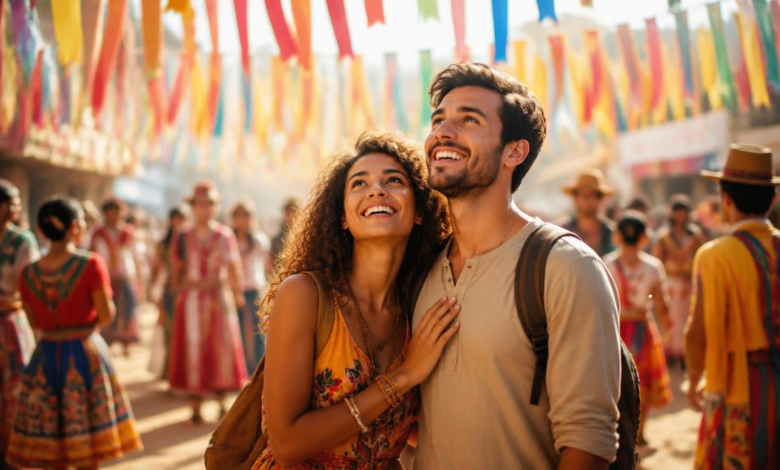
There are journeys remembered for the feeling of being part of something grander. Global festivals create exactly this kind of unforgettable experience. They beautifully weave together music, memories, faith, food, costumes, and community in ways words can hardly capture.
For those seeking genuine connections, cultural celebrations offer a unique opportunity. They let you witness living traditions instead of mere curated glimpses. A parade, a lantern release, or a communal gathering can reveal how a place understands joy, sorrow, renewal, and belonging. This makes festival travel an incredibly rewarding form of cultural discovery.
This guide will assist you in selecting the ideal event, planning your trip responsibly, managing your budget, and engaging with international festivals respectfully. You will also find ideas to extend your adventure beyond the main event, making your journey even richer and more personal.
Why Immerse Yourself in Global Festivals?
The finest world festivals offer more than just entertainment. They open a temporary window into local values and traditions. You are not merely observing a performance; you are stepping into a rhythm shaped by history, rituals, and shared memory. Even a single day at a significant celebration can transform your understanding of a destination.
Festival travel also fosters human connection. You might find yourself sharing a meal with strangers, learning a local toast, or contributing to street decorations. These spontaneous moments often become the most cherished souvenirs. This is particularly true for travelers seeking unique cultural experiences over conventional checklist tourism.
There is also a practical advantage to planning your trip around cultural events abroad. A festival provides a solid anchor for your itinerary, helping you decide when to travel, how long to stay, and which nearby areas to explore. For those who wish to combine deep immersion with smart planning, festivals make the process smoother.
For culinary enthusiasts, celebrations often serve as a perfect entry point to regional flavors. You will discover unique street snacks, ceremonial dishes, seasonal sweets, and family recipes. These authentic tastes are rarely found during standard restaurant visits. If this kind of discovery excites you, our guide to Global Food Festivals offers further inspiration for cuisine-focused travel.
Planning Your Festival Adventure: Key Considerations
Choosing the Right Festival for You
Not every festival suits every traveler, which is part of their charm. Some celebrations are high-energy and crowded, featuring loud music, packed transport, and late-night schedules. Others are more reflective, spiritual, and deeply local. Begin by considering the type of experience you desire: be it celebration, devotion, art, food, history, or a blend of these elements.
Think about your comfort level with crowds, the climate, and your willingness to participate. Do you wish to dance in the streets, attend performances, respectfully observe sacred rituals, or photograph public festivities? Your answers will help you narrow down the best festivals. This ensures your trip is a memorable match, not an exhausting mismatch.
The season is also important. Weather influences everything from your clothing choices to potential transport delays and the overall mood of the celebration. Some festivals adhere to lunar or religious calendars, meaning dates can vary annually. Always confirm details through official festival websites or national tourism boards before making any non-refundable bookings.
If your travel style prefers slower, more meaningful interactions, consider pairing a major event with smaller neighborhood gatherings nearby. This approach can create more immersive travel experiences. It also helps you avoid feeling as though you only witnessed the version staged purely for visitors.
Budgeting for Festival Travel: Flights, Accommodation & Tickets
One common mistake when planning international festival trips is underestimating the costs. Demand escalates rapidly around major dates, impacting prices for flights, trains, hotels, and even local taxis. Establish your budget early and categorize it clearly: transport, accommodation, event tickets, food, local movement, insurance, and a flexible emergency buffer.
For budget-conscious travelers, flexibility is your greatest asset. Flying into a nearby city, arriving a few days earlier, or staying in a smaller, train-connected town can significantly reduce expenses. Many strategies applied to general budget travel are even more crucial during peak festival periods.
Do not overlook cash flow. In some destinations, festival stalls, taxis, and local markets may prefer cash or smaller denominations. Before your departure, review how to manage cards, exchange rates, and digital payments abroad. This preparation helps you avoid stress and unexpected fees.
Tickets also require careful attention. While some events are free in public spaces, others feature grandstand seating, timed entries, workshops, or premium zones. If official tickets sell out quickly, exercise caution with resellers. Purchasing solely through verified channels helps prevent scams and disappointment.
Visa & Entry Requirements: What You Need to Know
Festival planning should prioritize entry regulations, not just excitement. Some travelers meticulously plan around a famous event only to later discover complications with visa processing times, passport validity rules, or proof-of-funds requirements. Check embassy or government sources as early as possible for the most current information.
Health requirements are equally important. Depending on the country, you might need specific vaccinations, proof of onward travel, or destination-specific health documentation. Given that public gatherings involve dense crowds, basic precautions like hydration, hand hygiene, and carrying necessary medications become especially vital.
Travel insurance is a worthwhile consideration for festival trips. Crowds, unexpected weather disruptions, and changes in transport can affect even the most carefully laid plans. Coverage for medical emergencies, cancellations, and delays can safeguard both your finances and your peace of mind.
Always use official resources for the latest updates. For a broader understanding of responsible tourism principles, the UNWTO remains an excellent reference point. It guides ethical and sustainable participation in global travel experiences.
Accommodation & Local Transport Solutions
Aim to stay as close as your budget comfortably allows, but do not assume the city center is always the best choice. During international festivals, central districts can be noisier, more expensive, and slower to navigate. A neighborhood located one or two transit stops away might offer better rest and easier logistics.
When possible, book accommodation with flexible cancellation policies. Festival dates, parade routes, and venue access rules can sometimes change. A flexible reservation provides you with the freedom to adapt if official schedules shift or if you decide to extend your stay for more local exploration.
Research local transport options beyond just the obvious airport transfer. Many world festivals involve road closures, adjusted bus routes, or crowded metro lines. Knowing alternative stations, walking paths, and rideshare pickup points can save hours of frustration. In certain destinations, public transport passes are invaluable for moving between festival venues and everyday attractions.
Top Global Festivals & Cultural Celebrations to Experience
Asia: Lanterns, Elephants & Spiritual Journeys
Asia presents some of the world’s most visually stunning and symbolically rich cultural celebrations. Diwali in India shines as a festival of light, hope, and renewal. Homes, streets, and temples illuminate with lamps and candles, as families gather to exchange sweets and prayers. For travelers, its beauty is evident, but the underlying meaning of the rituals is equally profound.
Holi, observed in India and Nepal, is often perceived online as a joyous burst of color. This image is accurate, but it represents only one facet. Holi also carries deep religious significance and community symbolism, linked to spring, rebirth, and the victory of good over evil. Travelers should participate only in areas where public involvement is clearly welcomed.
In Thailand, Songkran transforms cities and towns with festive water-splashing activities, connected to the traditional New Year. It is playful and memorable, yet it also includes temple visits, acts of respect towards elders, and symbolic cleansing. A thoughtful traveler appreciates both the lively celebration and the meaningful ritual beneath it.
Japan’s cherry blossom season is less a single festival and more a nationwide cultural event. Hanami gatherings in parks celebrate fleeting beauty, seasonality, and shared appreciation. If you prefer a gentler form of immersive travel, few experiences feel as elegant as joining locals beneath blooming sakura for food, conversation, and quiet admiration.
Europe: Ancient Traditions & Modern Revelry
Europe’s traditional festivals beautifully blend ancient heritage with modern spectacle. Oktoberfest in Munich is globally renowned, but its true essence lies in Bavarian customs, music, food, attire, and communal festivity. It represents more than just beer. Travelers who look beyond the grand tents will discover family days, regional identity, and long-standing social rituals.
In Spain, La Tomatina stands out as one of the most playful worldwide celebrations. However, it also serves as a clear example of why logistics are critical. Protective eyewear, clothes you are willing to discard, and meticulous planning are essential. It is a fun, messy, and memorable experience, though perhaps not ideal for travelers seeking quiet cultural depth.
Scotland’s Edinburgh Fringe offers a different kind of festival experience. It transforms the entire city into a massive stage, where theater, comedy, dance, spoken word, and experimental performances spill into every corner. For travelers who value the arts, it provides immersion through creativity rather than traditional rituals.
European festivals also reward a slower approach to exploration. A famous event in a capital or major city can be complemented by visits to smaller regional fairs, village processions, or local food markets. This balance often provides a more comprehensive understanding of local customs and everyday life.
Americas: Rhythmic Parades & Ancestral Roots
The Americas host some of the most dynamic global festivals on any traveler’s bucket list. Carnival in Rio de Janeiro remains one of the best-known examples, featuring vibrant samba parades, exhilarating music, lively street parties, and extraordinary visual energy. However, it is not a year-round event, so travelers should always verify future dates through official sources before making bookings.
Mexico’s Día de los Muertos, or Day of the Dead, is often misinterpreted by outsiders. It is neither a gloomy occasion nor merely a costume spectacle. At its heart, it is a deeply meaningful tribute to deceased loved ones, expressed through altars, marigolds, special foods, candles, and heartfelt remembrance. Travelers are welcome in many public spaces, but reverence should guide every interaction.
In the Caribbean, Carnival traditions manifest in diverse forms across the islands. These variations reflect distinct local histories, identities, music, and diasporic heritage. Such versions can feel more intimate or community-centered than their more famous counterparts, making them excellent choices for travelers seeking genuine authenticity.
North and South America also offer numerous harvest fairs, Indigenous cultural events, and music festivals with deep local roots. The key lies not only in choosing what is famous but also in selecting experiences that align with your curiosity and personal values.
Africa & Middle East: Desert Rhythms & Sacred Rituals
Across Africa and the Middle East, many cultural events are deeply rooted in oral history, spiritual life, music, and communal gathering. Morocco’s Gnaoua World Music Festival, for instance, merges performance with heritage. It creates a space where sacred musical traditions and contemporary audiences harmoniously meet.
In other destinations, travelers might encounter Ramadan night markets, Eid celebrations, Sufi music events, desert festivals, and regional heritage gatherings. These can be extraordinary experiences, but they also demand sensitivity to prayer times, expectations for modest dress, photography etiquette, and local gender norms.
Some of the most rewarding festival moments in these regions are not always the grandest ones. A local procession, a craft fair, or an evening community performance might offer more direct connection than a heavily publicized event. Openness, patience, and careful observation are more valuable than rushing from one highlight to another.
Oceania: Indigenous Art & Island Celebrations
Oceania presents cultural celebrations shaped by the land, the sea, ancient storytelling, and Indigenous identity. In Australia and New Zealand, some festivals focus on contemporary arts. Others spotlight First Nations or Māori traditions through vibrant dance, visual art, unique language, and meaningful ceremony.
On the Pacific islands, celebrations frequently blend spirituality, warm hospitality, music, and kinship. These gatherings often feel less commercial than major global events, which can make them particularly powerful for travelers seeking authentic community connection.
Given that many of these celebrations are intimately tied to local identity, it is wise to approach them with humility. Learn what is public, what is restricted, and what behaviors are expected from guests. When approached thoughtfully, this engagement can become one of the most memorable aspects of your journey.
Tips for an Authentic & Respectful Festival Experience
Learning Local Customs & Etiquette
To experience global festivals respectfully, begin by observing. Watch how locals dress, greet one another, queue, share space, and interact during rituals. Matching the tone of the event is more important than attempting to project enthusiasm at every moment.
Knowing a few phrases in the local language can profoundly enhance your experience. Even a simple greeting, thank you, or polite question signals respect. Body language is also crucial, especially where verbal communication is limited. For avoiding common misunderstandings across cultures, consider our guide on Essential Non-Verbal Cues.
Photography demands special consideration. Public parades differ significantly from prayer, mourning, or sacred acts. If an image involves children, elders, or close-up portraits, always ask for permission when feasible. When in doubt, it is best to lower your camera and simply be present in the moment.
For a broader framework, keep the principles of Ethical Tourism in mind. Festivals are not simply stages built for visitors. They are meaningful expressions of heritage, and travelers should conduct themselves as guests rather than consumers.
Staying Safe & Healthy Abroad
Crowds can be exhilarating, but they necessitate smart habits. Keep your valuables secure, know your designated meeting point if traveling with others, and store digital copies of important documents. Festivals create ideal conditions for petty theft due to distractions and dense movement.
Wearing appropriate gear can make a significant difference. Comfortable shoes, weather-appropriate layers, a refillable water bottle, and a secure bag are more important than fashionable accessories. For practical advice, our guide to travel security covers useful habits and anti-theft basics for busy destinations.
Food is often central to cultural celebrations, but travelers with dietary restrictions should prepare carefully. Research common ingredients, carry translation notes when necessary, and ask questions before trying unfamiliar dishes. If allergies are a concern, planning ahead can transform stress into confidence.
Pacing yourself is also crucial. It is easy to overschedule your days, especially when events run from morning until midnight. Allocate time for rest, hydration, and quieter meals away from the main crowds. A more enjoyable festival experience often comes from doing slightly less, but appreciating it more deeply.
Sustainable Festival Tourism: Leave No Trace
Responsible festival travel extends beyond your personal itinerary. Whenever possible, purchase goods from local artisans, adhere to waste disposal rules, avoid damaging decorations or natural spaces, and never treat sacred objects as mere props. Small actions significantly influence whether tourism supports or burdens a host community.
Single-use plastic consumption tends to surge during large events. Carrying a reusable bottle, utensils, or tote bag may seem minor, yet these habits alleviate pressure on local cleanup systems. They also align perfectly with a more mindful approach to immersive travel experiences.
Support for local economies is also vital. Choose family-run guesthouses, neighborhood cafés, and local guides when appropriate. The most meaningful festival guide is not just about seeing more, but about contributing more fairly and sustainably.
Beyond the Main Event: Exploring Local Culture
One of the smartest festival travel tips is to avoid structuring your entire trip around a single day. Arrive early or extend your stay if you can. This provides you with time to experience the destination as the main crowds disperse and ordinary life resumes.
Visit local markets, smaller museums, workshops, or nearby towns connected to the celebration’s heritage. If a festival highlights food traditions, cooking classes or neighborhood eateries can deepen your understanding. If music is a central element, seek out smaller venues where you can enjoy regional styles in a more intimate setting.
Walking through residential districts, utilizing public transport, or joining a local tour can reveal another layer of the place. These slower moments often provide the essential context that makes the grand celebration even more meaningful.
The goal is straightforward: let the festival open the door to a destination, but do not stop at the doorway. The richest discoveries typically occur in the areas surrounding the headline event.
Frequently Asked Questions About Festival Travel
Are festivals safe for solo travelers?
Yes, many are, especially with good planning and choosing accommodation in convenient areas. Solo travelers should prioritize arrival logistics, nighttime transport, and maintaining crowd awareness.
How do I find authentic local events?
Start by checking with tourism boards, local cultural calendars, community centers, and your accommodation hosts. Smaller neighborhood celebrations often provide more intimate and authentic contact than only attending the most publicized event.
What are the best apps for festival travel?
Maps, translation tools, offline transport apps, weather apps, and secure payment tools are generally the most useful. Some major festivals also provide official apps with route maps, schedules, and essential alerts.
How can I avoid scams?
Always use official ticket sellers, confirm prices before entering taxis, keep valuables secure and close to you, and be cautious with strangers offering “exclusive” access. If a deal feels rushed or unclear, it is best to walk away.
What should I pack for international festivals?
Prioritize comfort and practicality: a secure bag, a portable charger, weather-appropriate layers, a refillable water bottle, sun or rain protection, basic medication, and clothing that respects local customs.
Final Thoughts
Global festivals serve as a powerful reminder that travel is not merely about crossing borders. It is about entering into stories, symbols, and shared human emotions. From exhilarating parades to profound rituals, cultural celebrations allow travelers to witness how communities express their identity, memory, gratitude, and hope.
When approached with genuine curiosity and deep respect, these moments transcend mere entertainment. They become valuable lessons in heritage, authenticity, and profound human connection. This is precisely what makes the best international festivals truly worth planning for.
Ready to embark on your immersive cultural adventure? Explore our curated festival travel packages and special deals. We invite you to tell us: which of these incredible world festivals would you place first on your travel list?