There is a unique way to travel that begins when you let go of trying to see everything. Instead of rushing through landmarks or counting countries, you allow yourself to stay longer, observe more closely, and let a place gradually reveal its true character. This is the essence of Slow Travel: prioritizing depth over speed and genuine presence over constant pressure.
Embracing the Philosophy of Slow Travel
What Defines an Unhurried Journey?
An unhurried journey is not about doing less. It is about experiencing more of what truly matters. You might notice the rhythm of a local café, the sound of a tram at dawn, or familiar faces at the market. The trip transforms from a simple checklist into a meaningful connection with your chosen destination.
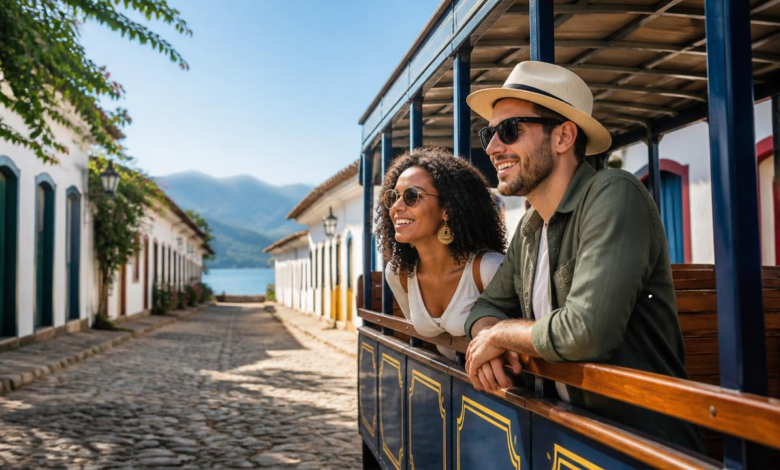
Local transportation adventures are central to this transformation. Traveling by train, bus, tram, ferry, bicycle, or on foot allows you to move through a place as residents do. This offers glimpses into everyday life beyond just curated tourist highlights. It also opens doors to spontaneity, which often leads to the most cherished travel memories.
Slow travel is fundamentally a mindset before it becomes a travel style. It encourages spending significant time in fewer locations, fostering connections with local cultures, and truly enjoying the journey itself. Practically, this could mean dedicating a week to one town instead of visiting multiple cities.
This approach aligns closely with Mindful Travel and Experiential Travel. You are not merely observing a destination; you are actively participating in it. You shop where locals do, learn how people navigate their city, and embrace quiet moments. This slower pace often brings clarity, joy, and a deeper sense of discovery.
Beyond Traditional Tourism: A New Perspective
Slow travel also supports more authentic travel experiences. If you have ever returned from a vacation feeling exhausted, the issue might not have been the destination. The constant transfers, rigid schedules, and pressure to “make the most of it” can turn even beautiful trips into draining endeavors.
Traditional tourism often emphasizes volume: more attractions, more photos, more cities, more movement. Slow travel, however, values texture. It prompts different questions. What does this place feel like in the morning? Which bakery is a local favorite? What can be learned by taking a local bus to the outskirts of town?
This does not imply that famous sights are excluded from a slower trip. Major landmarks can certainly be visited. The key difference is that they become part of a richer, broader story, not the sole purpose of your visit. You might explore a museum then wander through residential streets, observing daily life unfold.
The Tangible Benefits of Slower Exploration
Connecting Deeper: Culture and Community
One of the most significant advantages of slow travel is Cultural Immersion. Staying longer allows time to observe local habits and engage in daily routines. You begin to notice social customs, transportation etiquette, meal times, and neighborhood patterns. These small details often convey more about a place than any top-ten list.
Even minor efforts can be impactful. Learning a few local phrases, regularly greeting a shopkeeper, or understanding body language can lead to warmer interactions. For travelers seeking to enhance these moments, our guide on essential non-verbal cues for global travelers offers practical advice for respectful communication.
Slow travel also fosters community engagement. Perhaps you join a cooking class, take a local ferry to a weekly market, or spend an afternoon conversing with the owner of a family-run café. These simple experiences often become the most enduring memories because they feel personal and genuine.
Wellness on the Road: Reducing Stress and Enhancing Presence
A wellness benefit often unexpected by many travelers comes from slowing down. With fewer check-ins, fewer transfers, and fewer rushed decisions, your nervous system can truly relax. You are no longer constantly solving logistics. You can simply sit on a station bench and enjoy the view, rather than viewing every pause as wasted time.
This approach is why slow travel frequently overlaps with digital detox travel. When your day is not over-planned, you rely less on your phone for constant navigation, reservations, and updates. You tend to walk more, observe more, and scroll less. The outcome is a trip that feels mentally spacious and refreshing.
Unhurried journeys can also reshape your relationship with time back home. Many travelers return with renewed appreciation for everyday rituals: morning coffee, neighborhood strolls, local food shopping. Travel then becomes less an escape from life and more a lesson in how to live with greater attentiveness.
Travel with Purpose: Sustainable and Ethical Choices
Slow travel naturally aligns with Sustainable Travel practices. It reduces the necessity for constant transportation and encourages choices with lower environmental impact. Trains, buses, walking, and cycling generally create a lighter footprint compared to frequent short-haul flights or daily private transfers. For those who prioritize eco-friendly travel options, pace and transport are closely linked.
It also connects with Ethical Tourism. Spending more time in one location often means that more money directly supports local guesthouses, markets, guides, cafés, and independent businesses. This helps ensure tourism benefits remain within the community. For a broader understanding of responsible choices, explore how to travel responsibly and support local communities.
More sustainable tourism models are consistently emphasized by various organizations. While no journey is entirely without impact, slower and more intentional travel habits can significantly reduce strain on destinations. They also encourage more respectful behavior from visitors, contributing to a better global travel ecosystem.
Navigating with Locals: The Power of Transportation
Public Transport: Unlocking Local Life
Public Transport is an invaluable guide for travelers. A city or region truly begins to make sense when you understand how its people move through it. Train stations reveal commuting patterns. Buses connect residential areas to markets and schools. Trams often traverse historic centers, showcasing the interplay between old and new.
For many destinations, local transport also offers excellent Budget Travel Transportation. A day pass or regional rail ticket can be far more affordable than taxis or car rentals, especially over several days. If you are planning urban explorations, our article on maximizing public transport in top global cities with travel passes provides practical advice for efficient and economical movement.
Train travel holds a special place in the slow travel conversation. It allows you to witness landscapes change gradually, from suburbs to farmland to mountain towns. This continuity offers a deeper understanding of how regions connect. For route inspirations and pass details, consult the ultimate guide to European train travel.
Bus travel adventures can be equally rewarding. Local buses may be slower, but they offer rich insights into daily life. You might pass neighborhood parks, schoolyards, roadside shops, and small towns not typically found in glossy travel brochures. For comfort and flexibility, keep snacks, water, offline maps, and patience readily available.
Active Exploration: Walking and Cycling
Walking is arguably the purest form of slow travel. It enables you to notice the aroma of fresh bread from a side street bakery, hear music from an open window, and change direction spontaneously. Some of the best local culture exploration occurs when there is no physical barrier between you and the street.
Cycling extends this freedom. It covers more distance than walking while maintaining your full connection to the surroundings. River paths, coastal roads, village lanes, and greenways become integral to the experience. Walking and cycling tours are ideal for travelers seeking flexibility, exercise, and spontaneous detours.
Unique Journeys: Shared Rides and Local Boats
Not every Local Transportation Adventure involves rails or paved roads. In certain places, ferries, river taxis, shared vans, cable cars, or even tuk-tuks are integral to daily life. Opting for these modes can reveal how geography shapes culture. Islands, mountain towns, and waterfront cities often make the most sense when experienced through local transport.
These unique modes can transform a simple transfer into a memorable story. Approach them with an open mind, flexibility, and respect for local norms.
Planning Your Mindful Adventure
Choosing Destinations for Rich Experiences
How to embrace slow travel begins with selecting fewer places. Instead of planning a trip for maximum coverage, focus on depth. Look for destinations with pedestrian-friendly centers, reliable local transport, distinct neighborhood identities, and enough variety to keep you engaged for an extended period.
The best destinations for slow travel with public transport are often medium-sized cities, rail-connected regions, islands with ferry networks, and rural areas where village life is vibrant. Locations with markets, public squares, local festivals, and regional trains tend to reward slower exploration. Off-the-beaten-path travel truly flourishes when you are not rushing.
Smart Budgeting for Longer Stays
A common misconception is that slow travel is exclusive to those with unlimited budgets. In reality, a slower pace can actually reduce costs. Longer stays might unlock weekly rates, using buses and trains can be more economical than constant taxis, and market shopping helps manage food expenses. Focus on the overall rhythm of your trip, not just nightly costs.
For practical financial preparation, refer to our advice on smart money management abroad. Thoughtful budgeting supports flexibility, which pairs well with slow travel. Knowing your daily costs empowers you to say yes to a local class, an extra train stop, or another night in a place that truly feels right.
Tips for budget slow travel include booking extended stays, traveling outside peak seasons when possible, comparing regional passes, and allowing for simple pleasures. A scenic bench view, a bakery breakfast, and a tram ride at dusk can be more fulfilling than a packed schedule of ticketed attractions.
Packing Light: Freedom on the Go
Light luggage provides greater freedom, especially when changing platforms, walking to accommodations, or boarding crowded buses. One of the smartest travel pacing strategies is to carry only what you can comfortably manage independently. You will move with less friction, which makes spontaneous route adjustments much easier.
This is why minimalist packing and slow travel are an excellent match. Fewer items translate to fewer decisions and less stress. Choose versatile clothing, comfortable shoes, and a refillable water bottle. Our site offers further guides on minimalist and sustainable packing for conscious travelers.
Bridging Gaps: Simple Phrases for Connection
You do not need fluency to forge connections. A simple “hello,” “thank you,” “excuse me,” or “Is this seat free?” can significantly enhance transport experiences and daily interactions. Making an effort with language demonstrates humility and curiosity, both crucial for Cultural Immersion Travel.
When words are insufficient, tone, gestures, and patience are equally vital. Ask clearly, smile genuinely, and avoid assuming that louder speech will help. Slow travel rewards the traveler who is willing to communicate gracefully, even when conversations are imperfect.
Navigating Challenges and Embracing the Unforeseen
Flexibility in Travel: A Key Principle
Slow travel is not a utopian version of travel where everything unfolds perfectly. Buses may run late. Trains can be crowded. Weather might alter walking plans. Language barriers can cause confusion. However, these moments often feel less stressful when your itinerary has built-in breathing room. The goal is not to eliminate uncertainty but to stop perceiving every delay as a failure.
Flexibility is a core skill. Leave afternoons open. Avoid booking back-to-back reservations if possible. Keep a short list of indoor alternatives for rainy days and simple backup transport options for longer routes. Mindful travel experiences through slow exploration depend on this softer approach to planning.
Safety remains paramount, naturally. Employ the same common sense you would on any trip: safeguard your belongings, understand night transport choices, and check official local transit information. Being relaxed does not equate to being careless. It means being attentive without turning your journey into a constant risk assessment.
Inspiring Your Next Slow Travel Itinerary
Practical Ideas for Unhurried Trips
A slow trip could involve a week in a canal-side neighborhood, exploring by tram and on foot. Or perhaps ten days between two small, rail-connected towns, with market mornings, scenic train rides, and afternoons spent reading in public squares. It might even be a countryside stay where the local bus connects you to villages, trailheads, and family-run restaurants.
Europe is often ideal for slow, rail-based itineraries, but this philosophy extends far beyond. Coastal ferry routes, mountain buses, bike-friendly cities, and historic tram networks all support unhurried exploration. The best itinerary is not defined by the most stops, but by the one that allows ample space for curiosity to flourish.
If you are new to this concept, start small. Try a long weekend staying in one district, using only local transport, and keeping one full day largely unscheduled. This mini-experiment can teach you more about how to plan a slow travel trip using local transportation than extensive theoretical reading ever could.
Embark on Your Journey of Mindful Discovery
A Call to Authentic Exploration
Slow travel is not about rejecting ambition, comfort, or adventure. It is about consciously choosing a richer pace. It invites you to exchange urgency for deep attention, and mere quantity for profound meaning. In return, you often gain more memorable conversations, calmer days, stronger local connections, and a destination that feels truly lived, rather than simply visited.
The next time you plan a journey, ask yourself different questions. What if I stayed longer? What if I chose the train? What if a neighborhood, not a checklist, shaped my days? These are the questions that lead to Authentic Travel Experiences and truly Unhurried Journeys.
Ready to embrace slow travel? Share your favorite slow travel dream, route, or memory in the comments. Keep exploring Happy Day Turismo for more ideas on sustainable movement, local culture, and meaningful adventures.