

-
Packing & Travel Gear
Underseat Backpack Dimensions That Consistently Clear International Personal Item Rules
There is no one-size-fits-all personal item size; the smallest size in your travel class may also be the best number to plan for. Lufthansa accepts 40 x 30 x 15 cm, for example, regardless of travel class, United allows for 9 x 10 x 17 in on all classes, LATAM allows for up to 45 x 35 x 20 cm,…
Read More » -
Packing & Travel Gear
Carry-On or Checked Bag: A Practical Decision Framework for International Itineraries
The worst way to determine whether to use a carry-on bag or check a bag is based on trip length — the actual determining factors of the outcome are related to the connection you made on your ticket and the type of fare you purchased. The bag must endure the process of transferring from one aircraft to another and a…
Read More » -
Packing & Travel Gear
Why Your Cabin Bag Fails the Airport Sizer Despite Meeting Published Dimensions
The size number you see on your suitcase and the size number published by your airline usually refer to two different items. One refers to just the packing portion of the suitcase, while the other includes everything else about the suitcase as it gets to the gate (including wheels, handle, pockets). Air France states this in their documentation: their cabin…
Read More » -
Packing & Travel Gear

How to Pack Airport Security Liquids Without Exceeding the One-Liter Pouch Limit
A one-litre capacity does not translate into a one-litre capacity for all toiletries in your bag. Typically a one-litre capacity will hold about 6 to 8 mini bottles (or containers) due to the physical dimensions of the containers, and the need for the bag to actually seal correctly around your toiletries! Thus, the best way to begin filling your bag…
Read More » -
Packing & Travel Gear
The Hidden Tare Weight Trap That Turns a 23 kg Checked Bag Overweight
The weight of your ticket should be read as a maximum weight for your checked luggage, as opposed to being an allowance for packing (i.e., the size of the bag). This means, for example, that if you have a 23 kg maximum weight for this particular bag, it has already used up a certain amount for the suitcase itself before…
Read More » -
Getting Around

Japan Rail Pass Prices in 2026: What Changes on 10/01/2026, and When a Pass Still Pays
Currently, an adult can obtain a 7-day Japan Rail Pass for 50,000 JPY. Starting October 1st, 2026 you will be able to purchase a 7-day pass through an overseas travel agency for 53,000 JPY. The operator’s own reservation system will not see any price change however. Both of these price tables were available for public inspection by the operator on…
Read More » -
Getting Around
Suica, Welcome Suica or ICOCA: Which Japan IC Card Actually Fits Your Trip
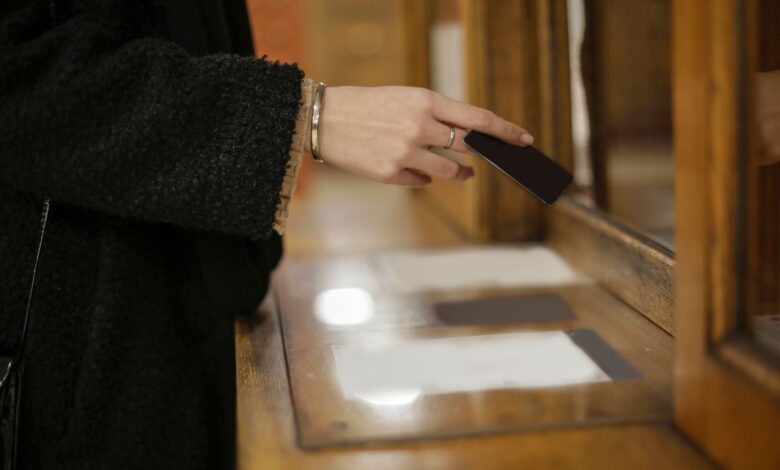
What distinguishes Welcome Suica from regular Suica? The standard physical Welcome Suica has no deposit and is valid for 28 days, including the purchase date. It is available at selected airports and stations, not only at airports. Regular Suica has a refundable ¥500 deposit and no 28-day limit. Check JR East’s official information for current purchasing locations and validity rules.…
Read More » -
Getting Around

Ferries from Athens to Santorini: Piraeus vs Rafina, Blue Star vs SeaJets, and How Tickets Actually Work
Most people who travel from Athens by ferry to Santorini will leave from the Piraeus port. All ferries along this route arrive at the same dock on Santorini, which is called Athinios Port. The main aspect to consider when choosing a ferry is which boat you want to take. In order to determine which boat is best, you should first…
Read More » -
Getting Around
Navigo Weekly, Navigo Easy or Single Tickets: The Paris Metro Pass Decision in 2026
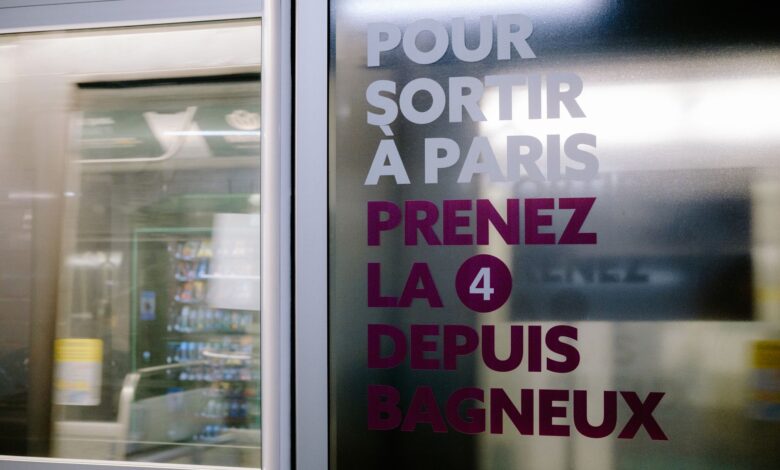
The best Paris Metro card option for tourists is determined more by the day of the week than your length of stay in the city. The weekly card operates on a fixed calendar and runs from Monday through Sunday; therefore, if you arrive on Thursday, you will have paid for a full week but only have four days of usage…
Read More » -
Getting Around

Contactless or Oyster for London: What a Tourist Should Actually Tap in 2026
There are two ways of paying for the same trip at the same cost: oyster and contactless. They have a similar cost (i.e., fares, daily & weekly caps) and a fare table that will always be the same. The main difference is that the Oyster card incurs a £10.50 fee that is never returned, which TFL’s visitor shop continues to…
Read More »