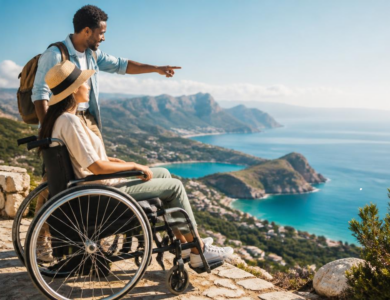

Travel can offer more than a simple break from daily life. It can act as a mirror, a teacher, and a gentle challenge. Purposeful travel encourages moving beyond typical checklists, guiding you toward experiences that shape your thoughts, feelings, and connection to the world. If you have ever returned from a trip feeling clearer, braver, or more connected, you have already encountered transformative travel. The key difference with intentional planning is designing for growth, rather than just hoping it happens naturally. This guide explores how to craft impactful travel itineraries that foster self-discovery, resilience, and meaningful learning. It also balances inspiration with practical logistics for an enriching and realistic journey.
Understanding Purposeful Travel
Beyond Sightseeing: Defining Meaningful Journeys
Purposeful travel centers on intention. Instead of merely asking, “Where should I go?” you also consider, “Who do I want to become there?” This shift transforms a regular vacation into a personal growth journey, built around curiosity, reflection, and active involvement. Meaningful journeys often involve immersion, challenge, and awareness. You spend real time in a place, move beyond familiar routines, and remain present to absorb what the experience offers. This makes self-discovery travel deeper than typical fast-paced tourism.
Research in travel psychology and positive psychology suggests new environments boost creativity, adaptability, and perspective. For insights on travel’s impact on well-being and learning, resources from UN Tourism provide valuable starting points. Purposeful travel need not be grand. A language class abroad, a quiet hiking week, a homestay, or a reflective city break can all become transformative when linked to a clear inner goal.
Setting Your Intentions: Why Travel?
Before any bookings, define your purpose. Are you seeking rest from burnout, confidence after a life change, creative renewal, cultural understanding, or a new skill? Strong intentional travel planning begins with honest self-inquiry, not just popular destination trends.
Consider these thought-provoking questions:
What currently feels absent in your daily routine?
Which personal qualities do you wish to enhance?
What types of experiences typically foster your growth?
Do you need challenge, tranquility, connection, or a fresh perspective?
Your answers form the foundation of your itinerary. Someone desiring resilience might choose a trekking route or a solo rail journey. Those craving emotional reset might prefer wellness-focused stays and slower days. If this appeals, exploring options for restorative experiences can be helpful.
Key Elements of Impactful Itineraries
Incorporating Self-Reflection and Mindfulness
Growth often occurs when experience meets reflection, not solely through constant activity. Mindful travel thrives when you integrate small pauses into your itinerary, rather than attempting to process everything afterward. Build in quiet moments: a morning walk without a phone, 20 minutes of journaling after a museum visit, or a daily café stop to note what surprised you. These pauses help convert observations into deeper insights.
You can also structure your trip around fewer, richer experiences. A slower rhythm allows for emotional processing and helps avoid the blur that sometimes results from overloaded travel plans. Embracing a gentler pace can significantly enhance the journey’s impact.
Experiential Learning: Skills and Workshops
Designing travel for personal development often involves learning something tangible while away. Skill-building adds structure, provides a clear sense of progress, and creates memorable connections with local knowledge and traditions. Consider activities like cooking classes, photography walks, language lessons, craft workshops, dance sessions, or guided nature programs. These purposeful activities can build confidence more effectively than passive sightseeing.
If your growth objective aligns with an existing passion, build the trip around that theme. Crafting journeys around hobbies and niche interests offers practical inspiration for connecting destination choices with personal pursuits. For more detailed guidance, consider thematic travel planning.
Cultural Immersion and Community Engagement
Experiential travel deepens when you interact with people, not just places. Community-based stays, local food tours, classes, and conversations with residents can reshape assumptions. They provide the kind of perspective shift many travelers truly seek. This involves approaching with respect, listening actively, and choosing experiences that benefit local people. Ethical choices are crucial for impactful travel itineraries, as personal growth should not rely on exploitation.
If responsible decision-making is part of your travel philosophy, exploring ethical tourism practices is recommended. Empathy and awareness are integral to a truly growth-oriented journey.
Solo Travel vs. Group Dynamics for Growth
Solo travel offers powerful growth by removing familiar roles and routines. Without your usual support system, you make more independent decisions, notice habits more clearly, and often become more resourceful. Even short solo segments can create space for honest self-reflection. However, group travel can also foster transformation. The right retreat, workshop, or small-group program provides accountability, shared learning, and emotional safety. Combining independent days with a structured experience can be beneficial if new to solo travel.
For those considering independent travel, particularly for a first solo adventure, essential planning tips for safe and empowering experiences are available. These strategies are useful for a wide range of travelers seeking growth through independence.
Crafting Your Growth-Oriented Trip: A Step-by-Step Guide
Researching Destinations for Personal Development
The ideal destination for personal growth is not always the most famous. It is the place that aligns with your intention. Begin by matching your goal to the environment. Do you need solitude, cultural contrast, physical challenge, creative energy, or a slower pace? Mountain regions can support reflection and resilience. Historic cities may deepen cultural learning. Coastal retreats often aid recovery and mindfulness. Volunteer-focused destinations can foster service and perspective, but only if programs are ethical and community-led.
When evaluating options, look beyond social media. Consult local tourism resources, community-based tour descriptions, and practical traveler reports. If service is part of your plan, reviewing insights on voluntourism with impact is crucial before committing.
Budgeting and Logistics for Transformative Experiences
A meaningful trip does not require a large budget. In fact, personal growth travel often benefits from simplicity. The aim is not luxury, but thoughtful spending that protects your time, energy, and purpose.
Prioritize your budget around key elements:
One or two high-value experiences.
Safe, conveniently located accommodation.
Reliable transportation.
Some flexibility for spontaneous learning.
Comprehensive insurance and emergency planning.
It is also wise to prepare for unexpected practicalities. Missed connections, fatigue, or changing weather can affect any journey. Contingency planning helps build a resilient itinerary, preparing you for potential travel disruptions.
Crafting a Flexible Yet Focused Schedule
Many travelers make the mistake of overpacking their itineraries. However, growth needs space to breathe. An intentional schedule should feel focused, not rigid. Consider each day to have one anchor experience, one optional activity, and a moment for reflection. A balanced day might include a morning workshop, a free afternoon for exploration, and an evening journal entry. This structure keeps you engaged without exhausting your attention, allowing space for meaningful detours where strong memories often form.
A simple weekly framework can guide your planning:
1. Define a core intention.
2. Include two or three signature experiences.
3. Protect time for rest and transitions.
4. Keep at least 20 percent of your schedule open.
5. Review and adjust your plans as you progress.
Pre-Trip Preparation for Optimal Impact
Preparation shapes your mindset as much as it manages logistics. Before departure, invest time in learning basic cultural norms, local history, and a few useful phrases. This reduces friction and builds confidence when engaging with people in your destination. You can also prepare emotionally. Define what success truly looks like for you. It might not be a perfect itinerary or a dramatic breakthrough, but perhaps greater honesty, calmer attention, or the courage to try unfamiliar things.
For added structure, create a brief pre-trip note with three sections: what you hope to learn, what makes you nervous, and how you wish to show up. This small exercise often grounds the journey from its very first day.
Maximizing Personal Growth During Your Adventure
Embracing Discomfort and New Perspectives
Travel for personal development thrives when you allow for some discomfort. Not every unfamiliar moment requires immediate resolution. Sometimes a missed bus, a language mix-up, or a quiet solo dinner becomes the most profound teaching experience. The goal is not reckless challenge, but supported stretching. Choose situations that gently push your boundaries: joining a local class, dining without an English menu, spending a day offline, or navigating a district on foot. These moments build adaptability and reveal your responses under pressure, making transformative travel incredibly clarifying.
Journaling and Reflection Practices on the Go
A journal gives your trip a rich second life. You do not need to write extensively daily. Short, honest prompts are sufficient. Try questions such as: What moved me today? What presented a challenge? What assumption proved incorrect? Voice notes, photo essays, and sketching can also serve this purpose. The method is less important than the act of paying attention. Reflection helps you discern patterns within moments. For a deeper reset, reducing screen time can sharpen this process. Pairing journaling with deliberate offline periods often makes observations more vivid and personal.
Connecting with Locals and Fellow Travelers
Many meaningful journeys are shaped by conversations. A host’s story, a guide’s perspective, or a fellow traveler’s question can shift your understanding of a place and yourself. Growth often flourishes in connection, not isolation. Approach these interactions with humility. Ask open-ended questions, be curious without being intrusive, and listen for complexity rather than seeking confirmation of existing beliefs. Meaningful connection also requires cultural awareness. Learning small behavioral cues can enhance interactions and minimize misunderstandings.
Integrating Travel Learnings Back Home
Sustaining New Habits and Learnings
The return home is where meaningful journeys either deepen or fade. Without integration, powerful insights can become mere pleasant memories instead of lasting changes. Give your trip a few days of gentle review upon your return.
Ask yourself:
What did this journey reveal about my needs?
Which new habit felt beneficial enough to continue?
What perspective do I wish to protect from daily distractions?
Which relationship, practice, or project now requires attention?
Choose one or two concrete actions. Perhaps you maintain a weekly reflection practice, continue language study, support a community you discovered, or plan regular offline walks. Personal growth itineraries are most impactful when they positively influence ordinary life.
Sharing Your Story and Inspiring Others
Sharing your experiences can deepen your understanding of them. You do not need to present your trip as life-changing or perfectly polished. Honest storytelling is often more valuable than dramatic accounts. Talk about what surprised you, what challenged you, and the small ways you changed. This kind of reflection can inspire friends, family, or other travelers to think more intentionally about their own journeys.
For those who enjoy exchanging ideas, considering the purpose behind your last trip or the intention for your next one can offer inspiration to others. These shared stories often become the impetus for someone else’s first step.
Tools for the Intentional Traveler
Recommended Apps, Books, and Communities
Useful tools should support your attention, not dominate it. Map apps, translation tools, budgeting apps, and journaling platforms can simplify intentional travel planning, especially when they reduce stress.
A practical toolkit might include:
A notes or journaling application.
An offline map utility.
A translation app.
A budgeting tracker.
A meditation or breathwork app.
A reading list focused on culture, memoirs, or personal development.
Books and detailed travel memoirs can also enrich your thinking before departure. Seek writers who thoughtfully engage with place, identity, and cultural differences, rather than treating destinations merely as backdrops. For community, explore small interest-based groups, ethical volunteer networks, retreat circles, or language exchanges. The best communities help you travel more effectively and meaningfully.
Final Thoughts on Designing Impactful Travel Itineraries
To plan travel for personal growth, begin simply, remain honest, and build around a clear intention. You do not need to cross continents or reinvent yourself overnight. Purposeful travel starts when you connect your external route with an internal question. The most meaningful journeys are not always the busiest or most expensive. They are the ones that ask something of you and offer something back: perspective, confidence, empathy, a new skill, or clarity. If you are ready to create your own purposeful path, choose a trip that reflects who you are becoming, not just where you want to go. Explore more ideas and share your self-discovery travel experiences.