
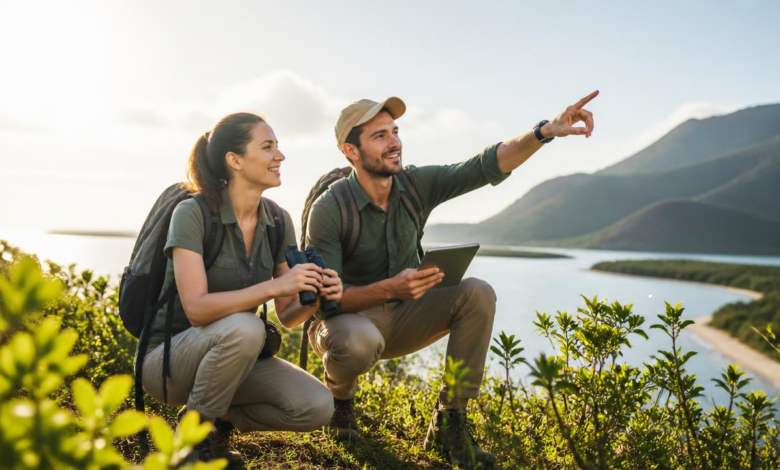
Travel can offer more than just beautiful photos. When thoughtfully planned, journeys can protect fragile ecosystems, fund restoration efforts, and create sustainable income for communities. This approach supports wildlife and healthy landscapes, embodying the spirit of conservation journeys – travel experiences designed for lasting benefits.
For many, ecotourism begins with a simple question: how can we experience extraordinary nature without causing harm? The answer involves choices that uphold conservation goals, respect local populations, and minimize environmental impact. If you already value ethical tourism and community support, conservation-focused travel is a natural progression.
The Rise of Conservation Journeys
Interest in impactful ecotourism has grown significantly as travelers seek more meaningful experiences. Simultaneously, challenges like biodiversity loss, habitat fragmentation, and climate change highlight the urgent need for stronger protection and sustainable funding for natural areas. These journeys offer a powerful solution.
Why Travel Matters: Impact of Tourism on Conservation
Poorly managed tourism can harm natural environments through crowding, pollution, and wildlife stress. However, well-designed wildlife protection trips actively finance ranger programs, support vital research, strengthen protected areas, and create jobs linked to conservation, rather than exploitation. This shift brings invaluable benefits.
This is particularly crucial in regions where local livelihoods depend heavily on forests, reefs, wetlands, and savannas. When communities benefit directly from wildlife tourism, living animals and intact ecosystems gain significant economic value. This approach contributes to a broader strategy for habitat preservation and sustainable development.
Impactful ecotourism is more than simple nature travel. It is a responsible engagement with nature, built on accountability. Such experiences should adhere to clear standards, deliver measurable benefits, and operate on a model that actively avoids exploitation. This ensures a positive and lasting difference.
Understanding Impactful Ecotourism
While “ecotourism” is often a marketing term, its true definition is more precise. Organizations like UN Tourism and the wider conservation community define it as responsible travel to natural areas. This travel conserves the environment, supports local well-being, and includes educational components.
What Defines True Ecotourism? Separating Myth from Reality
A remote jungle lodge or a whale-watching tour isn’t automatically ecotourism. A “wildlife sanctuary” might not always be one in practice. Genuine conservation journeys typically integrate several key features to ensure real impact and ethical engagement with nature.
These features often include small groups, low-impact operations, and guides trained to explain ecosystems and behavioral rules. Direct support for local communities or conservation projects is vital, alongside clear wildlife-viewing protocols. Measures for reducing waste, water, and energy, plus transparent financial reporting, are also essential.
If these elements are absent, you might be encountering “green branding” rather than meaningful impact. Therefore, learning how to choose an eco-tour operator becomes as important as selecting your destination itself. Informed choices ensure your travel contributes positively.
The Triple Bottom Line: Environmental, Social, and Economic Benefits
The most effective ecotourism models safeguard more than just scenic views. They aim for a triple bottom line: environmental, social, and economic value. Environmental gains often involve anti-poaching support, restoration work, or funding for critical conservation science initiatives.
Social gains from ecotourism include training opportunities, fair wages, and empowering local communities in decision-making processes. These elements ensure that the benefits reach the people who live in and protect these natural areas, fostering greater equity.
Economic gains are equally important. Community-based tourism ensures revenue remains in the destination. This happens through local guides, family-run lodges, transport providers, artisans, and food producers. This direct investment strengthens local economies and provides sustainable livelihoods.
Key Principles of Responsible Wildlife Protection Travel
Good intentions alone are not sufficient for responsible tourism. It thrives when travelers actively follow practical principles throughout their journey—before, during, and after the trip. These guidelines ensure positive outcomes and genuine support for conservation efforts.
Minimizing Your Environmental Footprint
Start with essential practices. Choose longer stays over brief, high-emission trips when feasible. Opt for direct travel routes, minimize waste, and use reusable bottles and utensils. Select accommodations that responsibly manage water, sewage, and energy, reducing your overall impact.
Reduce your impact further by rethinking local transportation. Walking, cycling, group transfers, or public transport with lower emissions can lessen pressure on delicate areas. These choices align well with eco-travel planning, contributing to a more sustainable journey.
Carbon offsetting can be helpful, but it should always complement, not replace, efforts to reduce emissions first. The most responsible approach involves avoiding unnecessary consumption, traveling at a slower pace, and spending in ways that actively strengthen conservation outcomes on the ground.
Ethical Wildlife Encounters: Observe, Don’t Disturb
Ethical animal encounters prioritize the animal’s welfare above the visitor’s experience. This means strictly no baiting, chasing, touching, feeding, cornering, or forcing close contact for photos. Respect distance limits and group size rules, even when a seemingly better photo opportunity arises.
Exercise particular caution with activities involving captive animals. Many operations use “rescue” or “sanctuary” language without meeting robust welfare standards. If animals perform, are handled for entertainment, or show signs of stress from constant visitors, it is best to disengage.
In the wild, quiet observation typically offers the most profound experience. Witnessing animals on their own terms provides a deeper understanding of behavior, habitat, and biodiversity than any staged interaction could ever deliver. This respectful approach enriches your journey.
Supporting Local Communities and Economies
Conservation efforts rarely endure without community benefit. Local people should not be mere backdrops for wildlife trips. They are vital rights-holders, decision-makers, workers, entrepreneurs, and invaluable knowledge keepers, central to any successful conservation initiative.
Seek out trips that employ local guides, source food locally, partner with resident-owned businesses, and share revenue directly with nearby communities. Purchasing local crafts, booking community-run experiences, and dining at locally owned restaurants can significantly broaden your trip’s economic benefits.
Education and Advocacy: Becoming a Conservation Ambassador
The educational aspect of ecotourism is often undervalued. Knowledgeable guides transform landscapes into engaging stories about species behavior, migration, traditional land use, and the threats of illegal trade or habitat loss. This interpretation elevates sightseeing into genuine understanding.
After your trip, this acquired understanding can evolve into powerful advocacy. Travelers who learn thoroughly are often better equipped to support responsible policies, donate wisely, and discuss wildlife protection without oversimplifying the complex local realities.
Planning Your Conservation Journey: A Step-by-Step Guide
A successful conservation journey truly begins long before you depart. Thoughtful ecotourism planning helps you avoid common pitfalls and ensures your financial contributions support genuinely responsible operators and impactful projects.
Defining Your Conservation Goals: What Difference Do You Want to Make?
Begin by clarifying what kind of impact is most important to you. Are you driven to support marine conservation, rainforest protection, primate monitoring, birding-based habitat preservation, or community-based tourism linked to endangered species recovery? Your focus shapes everything else.
Some travelers seek a wildlife conservation vacation centered on observation and learning. Others are interested in volunteer opportunities involving citizen science, beach cleanups, or habitat restoration. Being clear about your goals makes comparing projects and operators much more straightforward.
Researching Destinations & Endangered Species Hotspots
The best ecotourism destinations are not always the most famous. A quieter reserve with strict visitor management often delivers more genuine conservation value than a heavily promoted hotspot. Research protected area rules, seasonality, carrying capacity, and specific conservation challenges.
Look beyond operator websites for partnerships with research institutions, NGOs, or protected area authorities. If a region is known for threatened species, investigate whether tourism genuinely aids conservation or inadvertently increases disturbance. Thorough research is key.
Timing is also crucial. In some locations, off-season or shoulder-season travel can reduce crowd pressure and enhance the experience for both visitors and wildlife. This thoughtful approach minimizes impact while maximizing enjoyment.
Budgeting for Ethical Travel: Understanding Costs and Value
Ethical trips can sometimes cost more, and this is not necessarily a negative indicator. Small groups, highly trained guides, fair wages, conservation fees, remote logistics, and proper environmental management all require significant investment. The cheapest option might have hidden costs.
When comparing prices, it is essential to understand what is included: park or conservation fees, local guide wages and training, community contributions, and transfers with lower environmental impact. Also, inquire about locally sourced meals and educational activities.
Consider value over just price. Impactful ecotourism should deliver a richer experience and ensure a more responsible allocation of your budget. This investment supports the very places and people you aim to help.
Logistics: Visa, Health & Safety Considerations for Eco-Travelers
Remote destinations demand extensive preparation. Verify entry requirements, vaccination guidelines, potential weather risks, communication options, and local health infrastructure. Some wildlife areas may have limited emergency response, necessitating realistic planning.
Building a flexible itinerary and packing for variable conditions is advisable. For journeys far from urban services, comprehensive advice on health, hygiene, and travel insurance is invaluable. Strong preparation protects you and reduces strain on destination resources.
Choosing the Right Ecotourism Operator & Project
The operator you select often has a greater influence on your trip’s impact than the destination itself. Responsible operators establish robust systems, while irresponsible ones can inadvertently damage even the most extraordinary places.
Accreditations and Certifications: What to Look For
Independent standards provide a valuable way to verify sustainability claims. Seek alignment with recognized frameworks, such as the Global Sustainable Tourism Council criteria, or credible regional certification systems. These offer external validation.
Certifications are not always perfect, and a lack of certification does not automatically indicate poor practice, especially for smaller, community-run projects. However, some form of third-party review, conservation partnership, or transparent impact reporting is a strong positive sign.
Look beyond just logos. Inquire whether the company actively tracks waste, limits group sizes, employs local staff in leadership roles, and publishes information about its conservation contributions. These specifics reveal genuine commitment.
Crucial Questions to Ask Potential Tour Providers
Before finalizing your booking, ask direct and specific questions. A truly serious operator should be prepared and willing to provide clear, detailed answers. Their transparency reflects their commitment.
Helpful questions include: What percentage of trip revenue stays locally? Which conservation projects or protected areas receive support? How are wildlife encounter rules designed and enforced, and what is the maximum group size?
Also, ask: Are guides locally trained and fairly paid? How do you manage waste, water, and energy? Do you avoid activities involving captive wildlife handling? How do local communities participate in decisions?
The quality of the answers often reveals as much as the answers themselves. Vague language, overly emotional marketing, and a lack of specific numbers can indicate weak accountability or a lack of genuine commitment.
Spotting Greenwashing: Identifying Genuinely Sustainable Practices
Greenwashing presents a significant challenge in planning eco-travel. It occurs when businesses market themselves as sustainable without offering meaningful evidence to support their claims. Vigilance is essential.
Warning signs include the constant use of words like “eco,” “green,” and “responsible” without specific details. Be wary of animal selfies promoting “sanctuary” visits, oversized groups in sensitive habitats, or luxury presented as nature immersion without clear benefits to the environment or community.
Look for concrete proof instead of mere promises. Responsible operators typically explain their limitations honestly, rather than presenting a flawless image. They provide transparent policies, partnerships, rules, and measurable actions to back their claims.
Maximizing Your Impact: Before, During, and After Your Trip
One of the great advantages of conservation tourism is that your influence extends far beyond the initial booking. Small, conscious choices throughout your entire journey can significantly enhance positive outcomes and contribute to lasting change.
Pre-Trip Preparation: Research, Learning, and Packing Smart
Before you even arrive, educate yourself about the ecosystem, key species, and the local community context. This preparation helps you ask better questions and understand the rationale behind certain rules, making your experience far more rewarding.
Smart packing is also crucial. Prioritize durable, reusable gear over disposable items. Consider quick-dry clothing, refillable bottles, reef-safe toiletries, binoculars, compact waste bags, and adopt a “repair rather than replace” mindset.
For a comprehensive checklist, refer to The Sustainable Traveler’s Packing List. Carrying less often translates to consuming less, further reducing your environmental footprint and simplifying your adventure.
During Your Journey: Respecting Culture, Wildlife, and Guidelines
Once at your destination, practice active listening rather than leading. Adhere strictly to trail rules, remain on designated paths, keep noise levels low, and never pressure guides to violate wildlife distance protocols. Good field ethics protect habitats and enhance everyone’s experience.
Cultural respect is equally important. Always ask permission before photographing people, learn a few basic local phrases, and approach community visits as opportunities for genuine exchange, not simply consumption. Embrace these interactions thoughtfully.
Post-Trip Engagement: Sharing Your Story & Continued Support
After returning home, share your experiences responsibly. Avoid posting wildlife content that might encourage unsafe behavior, sharing geotags for highly sensitive locations, or presenting misleading images that normalize close contact with animals.
Consider continuing your support for the projects you encountered through donations, memberships, advocacy, or thoughtful repeat visits. Your sustained engagement can provide crucial long-term assistance to these vital conservation initiatives.
Essential Packing & Preparation for Your Eco-Adventure
Packing for conservation journeys requires a balance of practicality, comfort, and minimal environmental impact. You don’t necessarily need the latest gear, but dependable essentials are crucial for a successful and responsible adventure.
Eco-Friendly Gear Checklist
A practical eco-travel kit might include a refillable water bottle and purification method (if appropriate), reusable utensils, cup, and food container. Pack lightweight layers for changing conditions, and binoculars for observation instead of intrusive close-up behavior.
Don’t forget reef-safe or destination-appropriate sun protection and a small first-aid kit. Dry bags or reusable organizers, a power bank for remote areas, and a headlamp with minimal disturbance settings are also highly recommended. A notebook for observations adds value.
Health, Safety, and Travel Insurance for Remote Destinations
Wildlife protection trips often occur in remote or unpredictable environments. Therefore, factors like weather, terrain, insects, water access, potential transport delays, and communication limitations must all be taken seriously during your preparation.
Choose travel insurance that explicitly covers the activities in your itinerary, including trekking, boating, or remote evacuation if relevant. Keep digital and paper copies of important documents, know your emergency contacts, and inform someone at home about your route.
It’s also wise to prepare for potential disruptions. Delays, closures, route changes, and conservation restrictions can occur with little notice. A flexible attitude and resilient planning are integral parts of responsible travel, not signs of a failing trip.
Conclusion: Travel with Purpose, Protect with Passion
The most impactful conservation journeys are founded on humility. They acknowledge that nature is not merely a backdrop, wildlife is not a prop, and communities are not a secondary consideration. Instead, travel becomes a powerful tool.
This tool, when used carefully, can actively support biodiversity, habitat preservation, and local well-being. If you are wondering how to plan an impactful ecotourism trip, start with a simple question: Will this journey reduce harm, increase understanding, and deliver benefits beyond my own experience?
If your answer is yes, you are already moving towards more responsible wildlife protection travel. Sustainable travel does not demand perfection. It requires attention, honesty, and a consistent series of better choices over time.
Every booking, every question asked, and every action taken in the field can help shape a tourism model that protects the very elements that make these places so incredibly worth visiting. Your commitment makes a difference.
Resources for Further Exploration
For travelers eager to continue learning, several trusted organizations offer invaluable insights. The World Wildlife Fund provides broad conservation context and valuable information on species and habitats worldwide.
Pair this external research with practical planning on Happy Day Turismo to craft a trip that is inspiring, realistic, and genuinely impactful. A conservation journey should leave you with more than just memories. It should leave the destination stronger, or at least no worse, because you chose to be there. That is the meaningful standard worth aiming for.