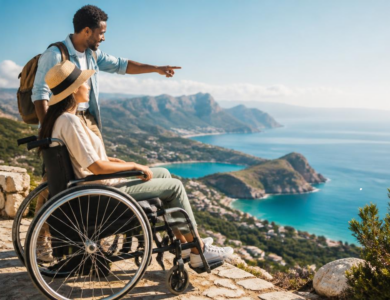
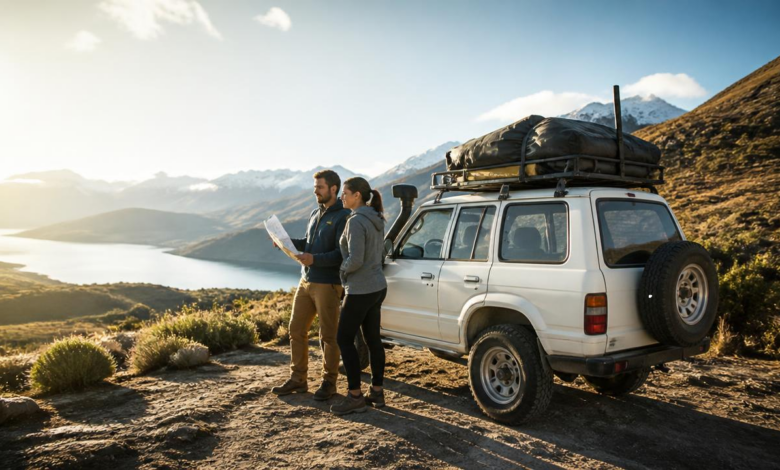
Overland expeditions offer a unique blend of freedom, intricate logistics, and boundless curiosity. They are more than just long drives; they are immersive self-drive adventures. These journeys invite you to embody the roles of a seasoned traveler, adept mechanic, skilled navigator, meticulous budget planner, and respectful cultural guest, all at once.
For many, the allure of overland travel begins with dreams of endless roads, serene wild camps, and a passport filled with stamps. Yet, in practice, it transforms into a profound experience. It becomes a slower, more deliberate method to truly absorb landscapes, connect with communities, and appreciate the rhythm between diverse destinations. On these trips, the road is not merely a path; it becomes the very essence of the adventure itself.
This comprehensive overlanding guide is crafted for both aspiring adventurers and seasoned international road trip planners. Whether your vision includes a vast cross-country journey within a single region or an ambitious multi-border expedition across continents, the core principles remain consistent. Thorough preparation, maintaining flexibility, and showing deep respect for every place you visit are key to a successful journey.
Before fully committing to a route, grasping the fundamentals of driving abroad is highly beneficial. Our guide on renting a car abroad serves as an excellent resource. It is particularly useful if you are exploring overland travel before investing in your own dedicated vehicle setup.
Understanding Overlanding: Your Adventure Begins Here
Overlanding defines vehicle-based adventure travel where the journey itself holds as much significance as the final destination. Unlike typical road trips centered on hotel bookings and popular attractions, overland travel emphasizes self-sufficiency, flexible schedules, remote exploration, and deeper engagement with local environments.
It’s important to note that not all overland trips demand extreme off-road capabilities. Some expeditions primarily navigate paved roads, linking mountain passes, deserts, charming villages, and captivating coastlines over weeks or even months. Other routes might involve challenging tracks, river crossings, and secluded camps. The unifying elements across all these experiences are independence and thorough preparedness.
The approach to overlanding varies greatly based on individual goals. Some seek a quick weekend escape close to home, while others meticulously plan transcontinental routes. These grander journeys often involve complex travel documentation, adapting to changing climates, and managing multiple visa applications. Both scenarios, however, qualify as overlanding if the trip is grounded in capable transport, self-reliance, and a strong spirit of route-based exploration.
Overlanding also rewards a more deliberate approach to travel. If you appreciate meaningful local interactions, enjoy practical problem-solving, and find satisfaction in setting up camp after a long day of driving, this style of travel may resonate deeply.
Planning Your Ultimate Overland Expedition
Embarking on an overland trip starts with asking honest questions about your comfort levels. How much discomfort are you willing to embrace? How remote do you truly wish to venture? How many border crossings are realistically achievable within your timeline? What mechanical issues can you confidently address independently? Clarity on these points will shape every subsequent decision.
A successful expedition is typically constructed in strategic layers. Begin by outlining a broad route, then progressively refine details such as seasons, expected road conditions, current political stability, specific visa requirements for overlanding, and reliable fuel access. As you plan to travel further from major corridors, the meticulousness of small planning details becomes increasingly crucial.
Choosing Your Destination & Route
The most rewarding overland routes strike a balance between inspiring vision and practical realism. It’s tempting to envision a journey spanning half a continent, but topography, weather patterns, and bureaucratic procedures often dictate your trip more than sheer distance. Mountain roads, for instance, can drastically reduce average travel speed. Desert sections may necessitate extended fuel and water carrying capacities. Furthermore, rainy seasons can render seemingly simple roads impassable.
When conducting research, utilize a combination of official government sources and up-to-date traveler reports. Government advisories are invaluable for safety information and entry policies. However, recent updates from fellow overlanders often reveal practical, on-the-ground details, such as cash-only insurance booths, unexpected road closures, or changes in ferry schedules.
Construct your route with built-in buffer times. Stays in border towns, unforeseen vehicle repairs, and weather-related delays can easily consume several days. The most robust itineraries allow ample room for the unexpected. They also ensure you retain enough energy to fully appreciate the experiences that make overland travel truly unforgettable.
Budgeting for Your Trip (Vehicle, Fuel, Visas, Food)
Budgeting stands as one of the less glamorous yet critically important aspects of self-drive expeditions. Costs generally divide into two main categories: fixed and variable. Fixed costs encompass the purchase or rental of your vehicle, any necessary modifications, insurance premiums, and major gear acquisitions. Variable costs include fuel, camping fees, routine maintenance, food, border charges, tolls, and unforeseen repairs.
Fuel frequently represents the largest daily expenditure, particularly if your vehicle is heavily loaded or your route involves strong headwinds, sandy terrains, steep ascents, or poorly maintained roads. Research average fuel prices by country, but avoid planning with excessive precision. Price disparities between neighboring countries can be significant, and fuel supply in remote regions might be inconsistent.
Visas and essential travel documentation also warrant a dedicated line item in your budget. Some countries mandate e-visas, others issue visas upon arrival, while a few may require advance visits to an embassy. Temporary vehicle import permits, road taxes, and compulsory local insurance can rapidly accumulate expenses at border crossings.
Food budgeting adapts to your chosen travel style. Preparing most meals yourself saves money and enhances flexibility in remote zones. However, eating locally can also be affordable and significantly enriches the journey, especially if you approach markets and roadside eateries with discretion. If culinary experiences are a highlight of your travels, our guide to global street food safety can help you dine with greater confidence.
Travel Insurance & Emergency Preparedness
Travel insurance is an absolute necessity, but not all policies are suitable for overland travel. Scrutinize the policy wording closely. You require coverage that aligns with your intended destinations, the duration of your trip, planned activities, and the medical realities of traveling in remote areas. Some plans may specifically exclude off-road driving, high-risk regions, or extended journeys exceeding a certain number of days.
Medical evacuation coverage demands particular attention. In isolated areas, the nearest appropriate medical facility could be geographically distant. A seemingly inexpensive policy can quickly become costly if it fails to cover essential transport, repatriation, or specialist treatment when you need it most.
This resource is especially valuable when combining road-based adventure with frequent cross-border movements.
Emergency preparedness also extends to analog essentials. Always carry hard copies of crucial documents: passports, vehicle registration, insurance certificates, medical prescriptions, and emergency contact information. Maintain digital copies stored securely offline. A phone without signal should never render you unable to manage critical situations.
Vehicle Selection & Preparation for Overlanding
The ideal overlanding vehicle isn’t necessarily the most expensive one. Instead, it is the vehicle you deeply understand, can competently maintain, and can thoughtfully equip for your specific route. Reliability consistently surpasses mere image. Simplicity often triumphs over complexity, especially when repairs become necessary far from specialized workshops.
Carefully consider your intended travel destinations. A camper van might be perfect for well-established roads, cooler climates, and extended stays in developed campsites. Conversely, a compact 4×4 could be a superior choice for poor roads, narrow tracks, and areas where ground clearance is paramount. A motorcycle, while offering unparalleled freedom, alters your carrying capacity, security strategy, and exposure to weather elements.
4×4 vs. Camper Van: Which is Right for You?
A 4×4 is frequently regarded as the classic expedition vehicle choice for remote travel. It generally handles rough terrain with greater ease, often benefits from robust aftermarket support, and can confidently carry essential recovery gear. However, it might offer less comfort as a daily living space and can be more expensive to modify extensively.
Camper vans provide enhanced convenience, interior shelter, and a more comfortable camp life. For many overland routes, particularly those focused on scenic roads rather than technically challenging tracks, a van represents a smart and enjoyable platform. The trade-off typically involves lower off-road capability, larger dimensions in confined spaces, and sometimes higher visibility in urban environments.
Avoid the assumption that every route demands a heavily modified rig. Many epic road trips are successfully completed with stock or only lightly prepared vehicles. Your chosen destination should always define your vehicle setup, not prevailing social media aesthetics.
Key Vehicle Modifications & Maintenance Checklist
Prioritize maintenance before considering any upgrades. A thorough pre-departure inspection should cover the braking system, cooling system, belts, hoses, wheel bearings, suspension components, battery health, lights, various filters, and any potential fluid leaks. Any questionable item at home will inevitably become a greater source of stress abroad.
Useful modifications are dictated by the difficulty of your route. Common enhancements include all-terrain tires, underbody protection, roof racks, auxiliary lighting, improved storage solutions, dual-battery setups, solar charging systems, and upgraded suspension. Each modification adds weight, complexity, or cost, so install only what genuinely addresses a specific problem or need.
Effective weight management is crucial. Overbuilt vehicles become harder to stop, consume more fuel, and are more susceptible to suspension wear or tire damage. One of the best tips for long-distance driving is simple: carry less than you anticipate needing, then verify your axle loads before setting off.
Your spare parts strategy should align with your vehicle’s global support network. Consumable items like filters, fuses, bulbs, belts, and tire puncture repair kits are easy and wise additions. For older or less common vehicles, carrying key spare components can prevent multi-day delays.
Tires, Suspension & Recovery Gear Installation
Tires profoundly influence both ride comfort and overall safety. Whenever possible, select a tire size that is readily available in your destination region. Exotic sizes may perform exceptionally well at home but can become a significant liability if you need a replacement in a remote town.
Suspension upgrades are beneficial when they genuinely support your vehicle’s actual load and the terrain conditions you’ll encounter. They are far less useful if installed solely for aesthetic height. Excessive lift can negatively alter handling, increase component wear, and introduce new points of failure if not professionally executed.
Recovery gear should be practical and functional, not merely decorative. A fundamental setup might include traction boards, a sturdy shovel, a tire deflator, an air compressor, designated tow points, and a properly rated recovery strap. A winch can be extremely valuable, but only if you possess a clear understanding of its safe operation and realistic anchoring possibilities.
Essential Gear & Supplies for the Road
A well-curated overland gear list fosters independence without transforming your vehicle into an overloaded storage unit. The most effective kits are durable, easily repairable, and readily accessible. If you find yourself having to unload half your vehicle to retrieve water, tools, or food, your current setup requires optimization.
Begin by organizing your gear into distinct systems: sleeping, cooking, water management, power solutions, tools, recovery equipment, clothing, health supplies, and critical documents. Packing by system helps you identify overlaps and avoid unnecessary duplicates.
Shelter, Sleep, and Camp Comfort
Your chosen sleeping setup directly impacts your rest, morale, and even your decision-making abilities. Ground tents offer an affordable and flexible option. Rooftop tents provide speed of setup and elevated views but add weight and wind resistance to your vehicle. A simple platform bed inside a van or wagon can be discreet, straightforward, and effectively weatherproof.
Comfort is often underestimated. A reliable mattress, adequate ventilation, robust insect protection, and a warm sleeping bag can profoundly enhance life on the road. If your route spans multiple climates, a modular bedding system will prove more adaptable than a single bulky solution.
Many of its principles translate directly to camping on road trips and during remote travel.
Water, Food, and Cooking Systems
Water planning is paramount for safety on any overland expedition. Carry sufficient quantities for drinking, basic cooking, and minimal washing, always accounting for potential route delays. A reliable water filter or purifier adds crucial resilience, especially in areas where packaged water is scarce or unreliable.
For food, adopt a layered approach. Keep quick, no-cook snacks readily available for extended driving days. Stock staple dry goods for backup meals. Incorporate fresh items when supply is consistent and reliable. A simple two-burner stove, a stable work surface, and easy-to-clean cookware can transform camp life from frustrating to efficient.
Smart food planning also minimizes waste. Repackaging ingredients, utilizing refillable containers, and purchasing locally in sensible quantities can reduce costs and lessen your environmental footprint.
Navigation, Power, and Communication Tools
GPS navigation is only one component of comprehensive route awareness. Carry offline maps, develop a basic understanding of paper map reading, and mark critical points. These include fuel stops, water sources, designated camps, hospitals, and border posts. Technology is a powerful aid, but layered navigation prevents minor failures from escalating into major disruptions.
Power systems should be tailored precisely to your needs. Some travelers may only require phone charging and headlamps. Others operate fridges, laptops, drones, and satellite communicators. Establish a realistic energy budget before investing in batteries and solar panels.
Communication becomes most vital when challenges arise. In remote travel scenarios, a satellite messenger or emergency beacon can be more valuable than almost any comfort item. It is also prudent to review our practical advice on global SIM cards, eSIMs, and portable Wi-Fi, especially when your route involves frequent border crossings.
Navigating International Border Crossings & Documentation
If overland travel has a learning curve, border crossings often represent its steepest section. The process can feel tedious, repetitive, and at times, intimidating. Nevertheless, most border crossings become manageable with a clear understanding of the required paperwork, a healthy dose of patience, and an expectation of potential inconsistencies.
Your guide to border crossings begins with a fundamental rule: never rely solely on a single source of information. Regulations frequently change, websites may not reflect current realities, and procedures can vary depending on your nationality, vehicle type, and direction of travel.
Understanding Visa Requirements by Region
Visa requirements for overlanding depend on several factors: your passport’s origin, your travel history, your chosen destination, and sometimes proof of onward travel or accommodation. Overlanders can encounter additional scrutiny due to their flexible, less hotel-based itineraries.
Consult official embassy or consulate websites before your departure and again shortly before approaching each border. Some countries issue e-visas exclusively through official portals, while others still require physical stickers or paper approvals. If a visa window is tight, incorporate buffer days into your route plan.
Regional travel blocs can simplify personal movement, but do not assume vehicle rules will automatically align with individual entry regulations. You might enter a country easily as a traveler, yet your vehicle could require separate insurance, a temporary import document, or specific tax payments.
The Carnet de Passage: Do You Need One?
A Carnet de Passage is a specialized customs document used in certain countries to facilitate the temporary importation of a private vehicle without incurring permanent import duties. It is not universally required, but where it is mandatory, it becomes an essential document.
Whether you need a Carnet depends entirely on your planned route. Regions of Africa, the Middle East, and Asia may have Carnet requirements or express route-specific preferences. The most sensible approach is to verify requirements through the national automobile association or specific customs guidance for each relevant country. The FIA international motoring information website is a useful reference.
Even when a Carnet is not necessary, you may still need temporary import permits, multiple copies of your vehicle registration, title or authorization letters, and proof that the vehicle will exit the country within the permitted period.
Vehicle Registration, Insurance & International Driving Permits
Always carry your original vehicle registration documents whenever legally required, along with multiple paper copies. If the vehicle is financed, leased, or registered in someone else’s name, secure written authorization well in advance. Border officials may deny entry if vehicle ownership is unclear.
An International Driving Permit (IDP) can be extremely valuable, even if not strictly mandated. This is especially true in areas where local authorities might be unfamiliar with foreign licenses. An IDP is not a substitute for your primary driver’s license, but it can significantly reduce confusion.
Insurance often presents one of the most variable border challenges. Your home country’s policy may be invalid abroad. Some regions accept international “green-card” style systems, while others demand local liability insurance purchased directly at or near the border. Always confirm these requirements in advance whenever possible.
Tips for Smooth Customs & Immigration Processes
Arrive at border crossings early if circumstances permit. Processes tend to be smoother when officials are fresh, and daylight provides ample time to resolve any unforeseen issues. Dress neatly, maintain a calm demeanor, and keep all your essential documents meticulously organized in a single folder.
Adopt a simple, systematic approach:
1. Park your vehicle as directed and note the locations of nearby offices.
2. Inquire about the sequence of steps: immigration first, then customs, insurance, or quarantine?
3. Keep all receipts and stamped papers in chronological order.
4. Verify that all exit and entry stamps are correctly applied before departing the final gate.
Refrain from photographing restricted areas unless explicit permission is granted. Always be polite, exercise patience, and be cautious with humor. Cultural misunderstandings at a border are rarely worth the potential complications. For broader awareness of non-verbal cues, our article on non-verbal cues for global travelers can help you navigate interactions more thoughtfully.
Life on the Road: Tips for Sustainable & Safe Travel
Life on the road quickly establishes its own rhythms. You’ll likely wake, pack, drive, shop, refuel, navigate, camp, and then repeat the cycle. The challenge isn’t solely about maintaining momentum; it’s about doing so in a way that preserves your energy, respects your budget, and protects the precious places you visit.
Navigation & Communication Tools (GPS, Satellite Devices)
Reliable navigation means extending your planning beyond the simple blue line on your phone. Save offline maps, cross-reference routes using multiple applications, and carefully note any fuel or water gaps before departing. Weather events, roadworks, and unofficial detours can all alter a seemingly “simple” day of travel.
In truly remote regions, satellite communication provides an invaluable layer of safety. It enables check-ins, grants access to SOS services, and allows tracking even when mobile networks are completely absent. Even if you travel solo, someone at home should have a clear understanding of your planned route logic and your expected check-in schedule.
Wild Camping, Hostels & Campgrounds: Finding Your Home
Where you choose to sleep significantly impacts your costs, recovery time, and local footprint. Wild camping can be a magical experience, but it is not automatically legal, ethical, or safe everywhere. Research local regulations and community expectations thoroughly before utilizing remote pullouts, beaches, forests, or farmlands.
Established campgrounds offer predictability, convenient showers, and sometimes a wealth of useful traveler intelligence. Guesthouses and hostels can also serve as strategic reset points for laundry, paperwork, and recovering from challenging weather conditions. Flexibility in your accommodation choices is often more important than adhering to a rigid ideology.
Food & Water Management in Remote Areas
Navigating remote sections of a journey rewards disciplined routines. Always refill your water supply whenever a trustworthy opportunity arises. Top off your fuel tank earlier than strictly necessary. Restock essential staple foods before venturing into areas with uncertain supply. These habits may seem overly cautious until the day they fundamentally safeguard your travel plans.
Food hygiene becomes especially critical when fatigue is high. Consistently wash your hands, store perishables with utmost care, and avoid pushing the limits with dubious leftovers simply to avoid waste. Even minor stomach issues can derail days of driving and throw off critical border timing.
Dealing with Breakdowns & Emergencies Abroad
Breakdowns feel distinctly different when you’re abroad. They combine mechanical stress with the complexities of language barriers, unfamiliar logistics, and foreign systems. Focus on prevention first, but accept that something will eventually fail. A calm, methodical process in response is as vital as having the correct spare part.
Safely pull off the road, honestly assess the situation, and avoid escalating a small issue into a larger one through rushed roadside improvisation. Understand the distinction between problems that can be fixed in the field and those that necessitate towing. If you rely on translation tools, download relevant language packs in advance.
Sustainable travel habits also contribute to resilience. Lower speeds, lighter packing, avoiding aggressive detours, and setting realistic daily mileage targets all reduce wear and tear on both your vehicle and yourself. For broader low-impact thinking, our article on ethical tourism and responsible travel offers valuable insights.
Top Overland Routes & Destinations (Global Inspiration)
There isn’t a single “best” overland route; the ideal journey depends on your vehicle, language comfort, risk tolerance, mechanical aptitude, and available travel time. Nevertheless, certain regions consistently captivate overlanders due to their harmonious blend of natural beauty, cultural diversity, and boundless road-based possibilities.
The Pan-American Dream
The Pan-American route endures as one of the truly iconic adventure road trips. It weaves together deserts, jungles, towering mountains, and stunning coastlines across the Americas. The primary planning challenge lies with the Darién Gap, where no road connects Central and South America, necessitating vehicle shipping around this significant interruption.
This route strongly appeals to travelers seeking dramatic geographic variety and relatively robust overlander infrastructure in many areas. However, it also demands considerable patience with border procedures, shipping logistics, and managing significant climate shifts.
Europe to Central Asia
A journey from Europe to Central Asia offers an incredibly rich tapestry of changing languages, expansive steppe landscapes, challenging mountain roads, and echoes of the historic Silk Road. Depending on geopolitical situations and specific border conditions, route planning here can evolve rapidly, making real-time verification absolutely essential.
This type of expedition is well-suited for travelers who appreciate cultural complexity and the vibrant energy of historic trade routes. It can be undertaken with a variety of vehicle types, although seasonal weather and altitude variations require very close attention.
Southern and Eastern Africa Circuits
African overland routes can be profoundly rewarding, combining diverse wildlife zones, vast deserts, captivating coastlines, and often considerable distances between services. Some regions are quite approachable with diligent planning, while others necessitate deeper considerations regarding convoy travel, specific permits, or heightened security measures.
A crucial practical lesson for African routes is simplification. Effective water treatment, carrying appropriate spares, patient driving, and respectful community interaction consistently prove more valuable than glamorous accessories.
Australia and Large Remote Interiors
Australia remains an iconic destination for overland travel due to its immense scale, the demands it places on self-sufficiency, and its extensive network of remote tracks. Distances can be colossal, and environmental conditions can rapidly become severe. Route discipline, reliable communication tools, and meticulous fuel planning are absolutely essential.
It stands as an excellent destination for truly understanding what expedition vehicle preparation means in practice: not excess, but unwavering reliability under pressure.
Overlanding Challenges & How to Overcome Them
Most problems encountered during overland travel are manageable. The key lies in expecting friction rather than anticipating perfection. Delays, moments of discomfort, and periods of ambiguity are inherently woven into the experience. If you perceive these as failures, the journey will become exhausting. However, if you embrace them as integral parts of the adventure, they become far more workable.
Mechanical issues are a common occurrence because extended trips expose every weak component of a vehicle. Counteract this with rigorous preventive maintenance, conservative driving habits, and realistic load control. A glamorous route is never worth destroying your vehicle through avoidable abuse.
Fatigue represents another often-hidden challenge. Effective long-distance driving tips extend beyond proper posture and convenient snacks. They fundamentally involve restraint. Stop earlier than your ego might suggest. Rotate driving tasks with your travel partner. Schedule dedicated rest days that involve no paperwork and absolutely no driving.
Financial stress can gradually emerge. Unexpected fuel price spikes, unforeseen repairs, and fluctuating exchange rates may necessitate route adjustments. Always maintain an emergency reserve fund that is separate from your general travel budget. This reserve safeguards both your safety and your decision-making capacity.
Loneliness can also surprise travelers, particularly on extended remote journeys. Even individuals who cherish solitude benefit from occasional stays in campgrounds, visits to cities, or planned meetups with other overlanders. Community interaction helps to normalize the messy, in-between phases of long expeditions.
Safety, Security & Health on Your Journey
Safety on the road is not about succumbing to fear; it is about proactively reducing preventable risks. Sound decisions usually appear quite ordinary: avoiding driving while exhausted, not openly displaying valuables, choosing not to camp in a location that feels unsettling, and never ignoring a minor vehicle issue until it escalates into something serious.
Personal security begins with heightened awareness. Research areas thoroughly before your arrival, gently inquire with locals, and always trust your quiet intuition. If a location feels tense, overly exposed, or generates undue curiosity about your vehicle, it’s wise to move on. The most scenic campsite isn’t always the safest one.
Vehicle security is paramount because your rig serves as your transport, your gear storage, and often your shelter. Employ layered protection strategies such as lockable storage compartments, discreet organization within the vehicle, and practical daily habits. Our guide to smart travel security gear and practices is particularly relevant for safeguarding documents, electronics, and essential camp items.
Health preparation should commence before your departure. Confirm recommended vaccinations, ensure you carry an adequate supply of any prescription medications, and assemble a first-aid kit that you are genuinely proficient in using. For truly remote areas, consider undertaking wilderness first-aid training rather than relying solely on supplies.
Hydration, effective sun protection, and sufficient sleep are not glamorous topics, yet they profoundly influence your judgment every single day. Many critical road decisions worsen when a traveler is tired, dehydrated, overheated, or rushing to compensate for lost time.
When seeking country-specific health guidance, review official advice from reputable sources. These include the World Health Organization and national travel health agencies. Utilize these resources as valuable planning tools, then adapt their recommendations to the specific realities of your chosen route.
The Overland Community & Resources
One of the most rewarding aspects of overland travel is the generous sharing of information among fellow adventurers. Experienced travelers understand that a small piece of advice shared today can potentially save someone else from a difficult border crossing, a costly repair, or an unsafe camp choice tomorrow.
Online communities, extensive route databases, and specialized mapping forums serve as excellent starting points, but it’s crucial to treat them as evolving conversations rather than undisputed truths. A border report from several months ago might already be obsolete. A campsite recommendation could no longer be safe or legally permitted.
Books, dedicated expos, and practical training courses add valuable depth to your preparation. Recovery driving classes, basic mechanics workshops, and first-aid training often provide more real-world value than another expensive accessory.
When you connect with the overlanding community, strive to contribute responsibly. Share your route notes thoughtfully without exposing fragile campsites. Recommend local businesses that provided excellent service. Report changes in regulations accurately and with precise dates. Valuable overland knowledge remains useful when it is specific, honest, and regularly updated.
Your Next Adventure: Getting Started with Overlanding
The biggest misconception about overlanding is that you need the perfect vehicle, unlimited time, or elite technical skills before you can begin. In reality, most people acquire their competence by starting smaller than their grand dream and progressively building their skills step by step.
Initiate your journey with a regional trip. Test your packing system thoroughly. Spend nights sleeping in your chosen setup. Experience cooking outdoors during inclement weather. If possible, cross one international border with your vehicle. These smaller journeys will reveal planning weaknesses far more effectively than weeks of online research ever could.
Continuously refine your vehicle maintenance routine, simplify your gear, and keep detailed notes after each trip. The ultimate objective is not to imitate someone else’s vehicle build or meticulously follow their route. Instead, it is to create a system that perfectly suits your budget, comfort preferences, and inherent curiosity.
If the call of overland expeditions resonates with you, begin precisely where you are. Plan diligently, verify your paperwork frequently, and always leave ample room for wonder. The open road itself will impart the rest of the essential lessons.
Frequently Asked Questions
What is the difference between overlanding and a normal road trip?
A normal road trip often prioritizes reaching attractions with pre-booked accommodations and simpler logistics. Overland travel, conversely, emphasizes self-sufficiency, flexible routing, vehicle-based living or camping, and frequently covers longer distances through remote or cross-border regions.
Do I need a 4×4 for overland travel?
No. Many international road trips and overland routes can be successfully undertaken in standard vehicles or vans. A 4×4 becomes important when your route incorporates poor roads, mud, sand, steep tracks, or remote terrain where enhanced ground clearance and traction are critical.
How much does an overland expedition cost?
Costs vary significantly based on your chosen route, vehicle type, trip duration, and personal travel style. Major expenses typically include fuel, maintenance, insurance, visas, camping or lodging fees, food, and various border charges. Maintaining an emergency fund for unexpected repairs is absolutely essential.
What documents do I need for border crossings?
You will likely need a valid passport, any required visas, your vehicle registration, your driver’s license, an International Driving Permit, proof of insurance, and temporary vehicle import documents. Some countries may also require a Carnet de Passage. Always verify all requirements using official sources well before your travel date.
Is overlanding safe?
Overlanding can be very safe when approached with thorough preparation, keen local awareness, and adaptable judgment. Good route research, diligent vehicle maintenance, conservative driving habits, reliable communication tools, and intelligent campsite selections all significantly enhance overall safety.
Final Thoughts
Overland expeditions are a powerful blend of adventure and personal responsibility. They demand more from you than typical holidays, but in return, they offer immeasurable rewards. These include heightened agency, fresh perspectives, increased resilience, and the rare, profound joy of truly earning your way through a landscape, mile by hard-won mile.
If you are actively planning an overland trip in the near future, we encourage you to save this guide. Share it with your travel partner, and continue building your own unique system. And if you already possess a favorite route, a valuable camp lesson, or a clever border crossing tip, please pass it on. The vibrant overland world truly advances one shared insight at a time.